
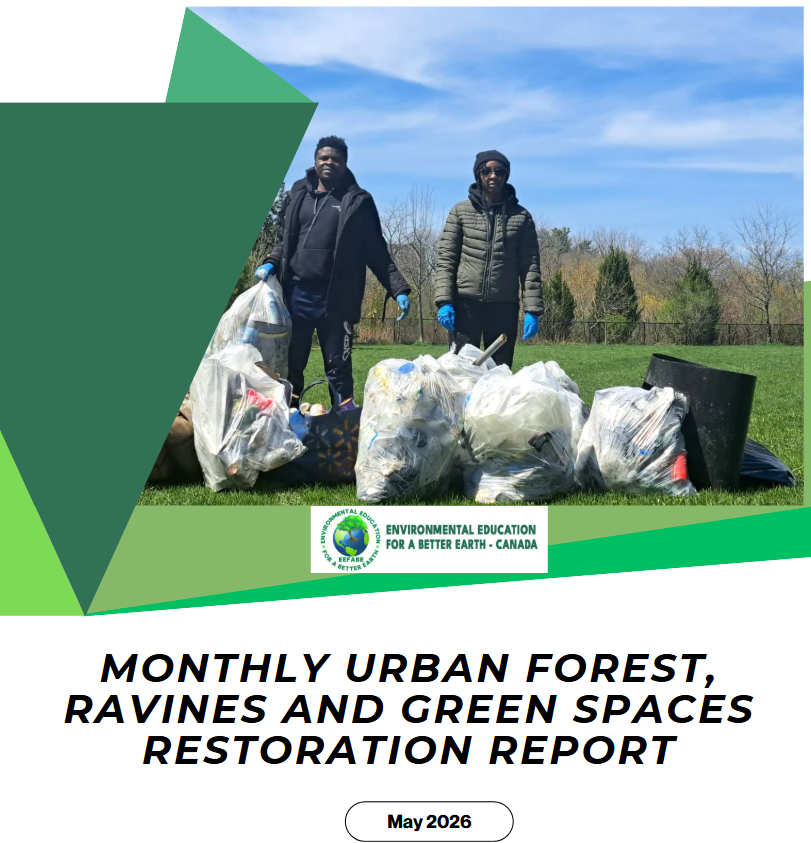
Restoring Toronto’s Ravines, Forests, and Hidden Ecosystems
This Toronto urban forest cleanup report highlights the impact of our May 2026 efforts to remove plastic waste from ravines and green spaces across the city. In May 2026, our environmental restoration efforts continued to uncover and remove hidden plastic pollution across Toronto’s urban forests and ravines. This monthly cleanup report highlights measurable progress toward our ambitious goal: removing 1 tonne of plastic waste from Toronto’s green spaces by December 31, 2026.
Through data-driven fieldwork, strategic cleanups, and community participation, we are restoring vital ecosystems that often go unnoticed but play a critical role in biodiversity, climate resilience, and water health.
Key Impact Highlights (May 2026)
Through consistent Toronto urban forest cleanup operations this month, we removed:
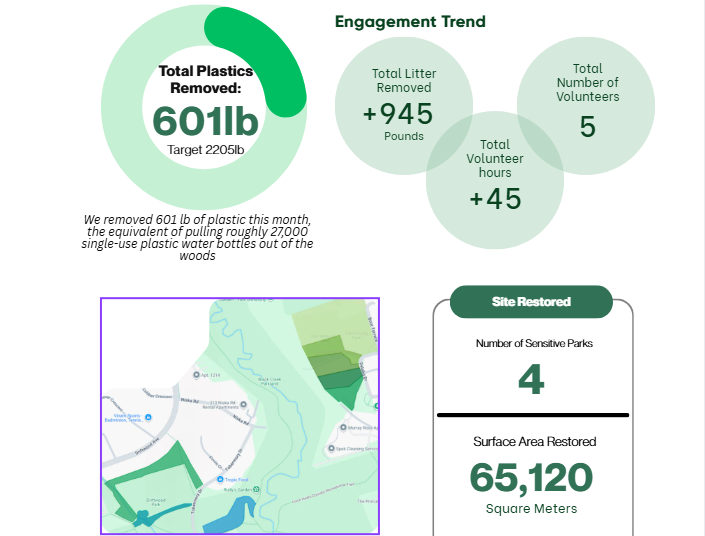
- ✅ 601 pounds of plastic removed, equivalent to ~27,000 single-use plastic bottles
- ✅ 945+ pounds of total waste removed
- ✅ 65,120 m² of forest and ravine restored, equivalent to about 9 full NHL hockey rinks
- ✅ Cleanups completed across 4 major sites
- ✅ 5 volunteers contributing 45+ hours, equivalent to one full-time work week by a Canadian employee
Cleanup Locations
Our Toronto urban forest cleanup work focuses on deep ravine systems where plastic pollution accumulates over time, including:
- Black Creek Parkland
- Driftwood Park
- Fred Young Park
- Dan Lannuzzi Park & Pond
These sites include deep forest interiors, ravines, and neglected green spaces, where waste is rarely removed through standard municipal cleanup operations.
Progress Toward the 1‑Tonne Goal
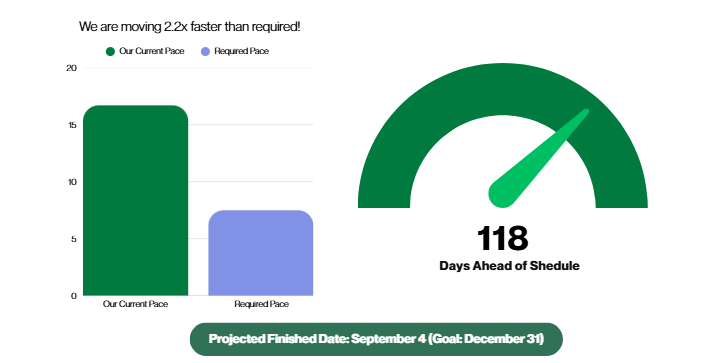
We are currently progressing 2.2x faster than required pace in our Toronto urban forest cleanup, putting us significantly ahead of schedule.
- 🎯 Goal: 1 tonne of plastic removed by December 31, 2026
- 📅 Projected completion: September 4, 2026
This accelerated progress demonstrates the effectiveness of consistent field operations, targeted cleanup zones, and structured data tracking.
The Hidden Reality of Plastic Pollution
Unlike visible litter found along streets or park trails, much of Toronto’s plastic pollution is hidden deep within ecosystems.
What We Discovered
- Plastics buried in soil layers
- Waste entangled in vegetation
- Debris trapped along ravine floors
- Accumulation zones created by stormwater flow
Over time, these plastics degrade into microplastics, contaminating both soil and water systems.
Why This Happens
- Stormwater systems transport litter into ravines
- Natural barriers trap waste in forests
- Lack of regular maintenance allows buildup
- Seasonal rainfall redistributes debris
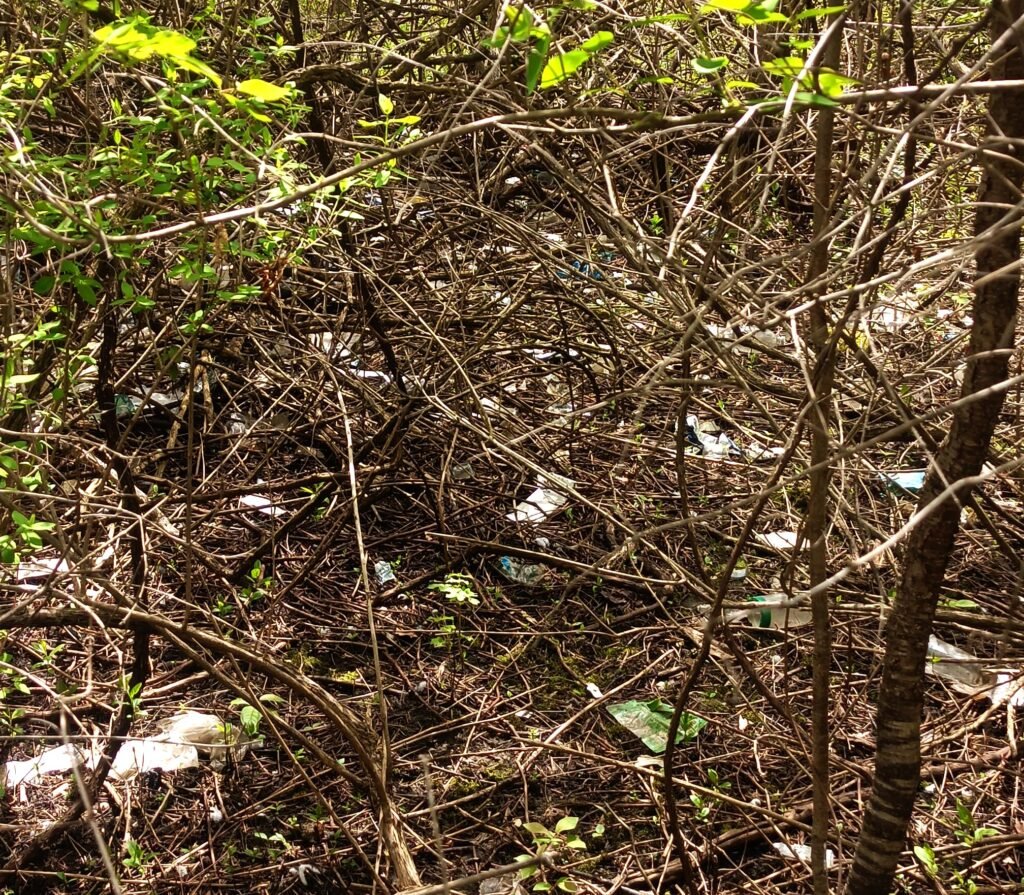
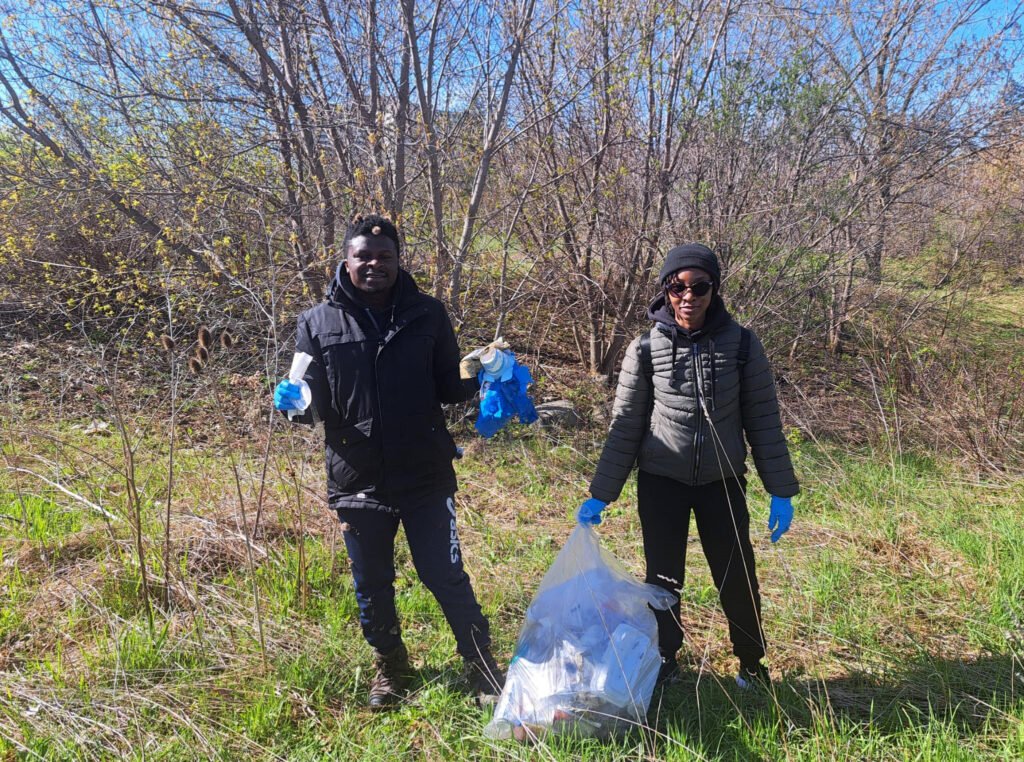
Forest Litter Before
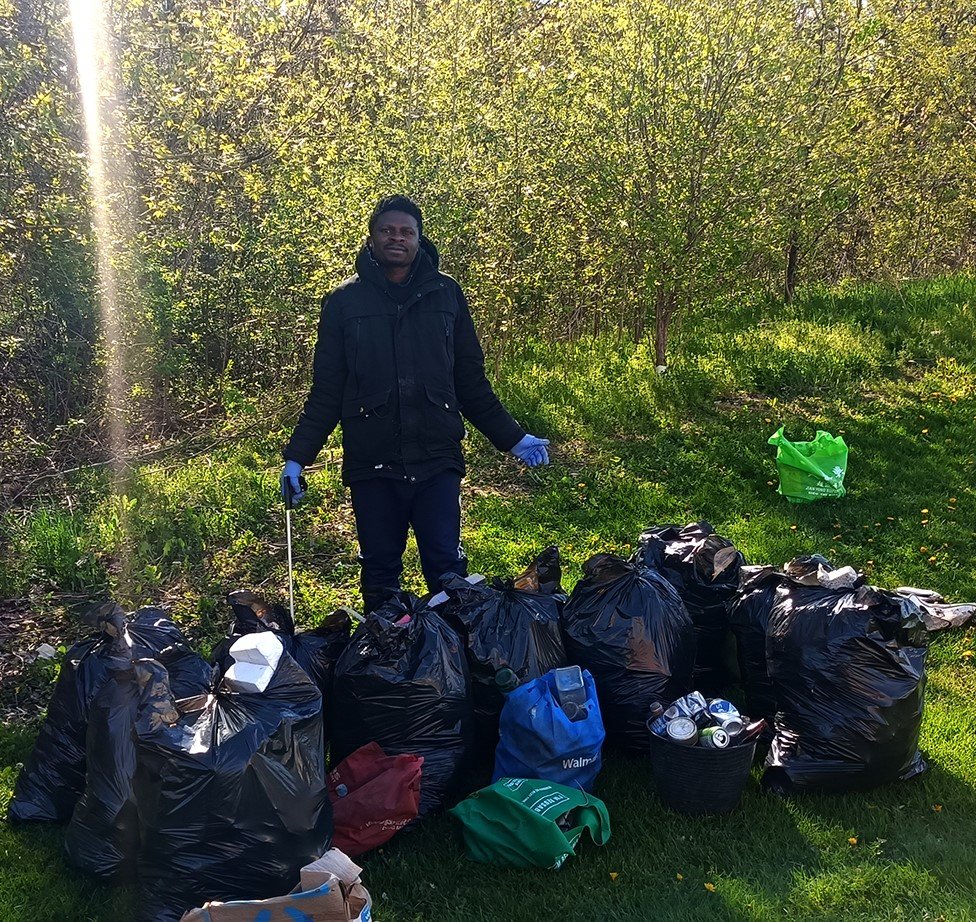
Sorted Waste Pile After Cleanup
Why This Work Matters
Toronto’s urban forests and ravines are not just green spaces; they are essential ecological infrastructure.
These ecosystems:
- Support wildlife habitats
- Maintain biodiversity
- Filter pollution from air and water
- Reduce flooding and climate impacts
By removing plastic, we:
- Protect wildlife from ingestion and entanglement
- Prevent microplastics from reaching Lake Ontario
- Restore soil and ecosystem health
- Improve long-term environmental resilience
This type of deep ecological restoration is often overlooked, yet critical in addressing urban environmental challenges.
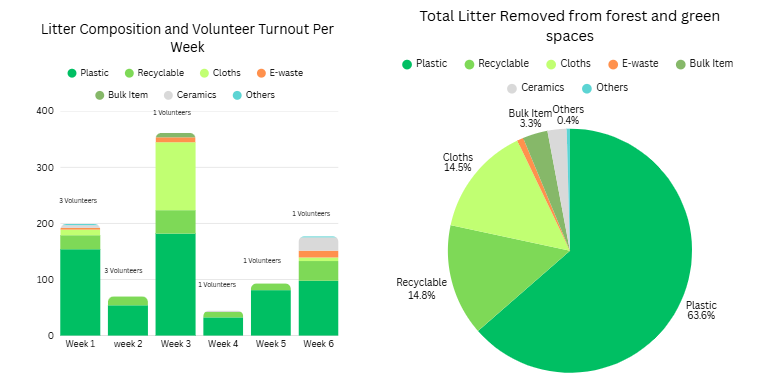
Cleanup Data & Engagement Trends
Our work in May shows continued growth in both impact and efficiency:
- Total litter removal steadily increased week-by-week
- Volunteers contributed across multiple cleanup sessions
- Waste types included plastics, recyclables, textiles, and bulk materials
Community & Volunteer Impact
Despite challenging terrain and conditions, our team is making measurable progress in our Toronto urban forest cleanup.
- 5 volunteers
- 45+ volunteer hours
- High-impact cleanup zones restored
Volunteer contributions are essential to scaling operations and achieving our annual plastic removal target in the Toronto urban forest cleanup .
How You Can Support Urban Forest Restoration
Protecting Toronto’s natural ecosystems requires collective action. We offer structured partnership opportunities for individuals and organizations.
🌳 Canopy Friend
- Supports essential cleanup supplies (gloves, materials)
- Helps sustain ongoing operations
- Recognized through community updates
🌲 Ravine Guardian
- Enables deeper cleanup in high-impact zones
- Supports data tracking and reporting
- Opportunities for team volunteer engagement
🌍 1‑Tonne Victory Supporter
- Accelerates progress toward our 1-tonne goal
- Featured recognition in reports and outreach
- Ideal for corporate ESG and CSR initiatives
Why Partner With Us?
Organizations working with us can:
- Demonstrate meaningful ESG impact
- Support urban biodiversity and climate resilience
- Align with local and global sustainability goals
- Engage employees in hands-on environmental action
Final Thoughts: Turning Hidden Pollution Into Measurable Impact
As our Toronto urban forest cleanup initiative continues, we are on track to surpass our 1‑tonne goal ahead of schedule.
The results from May 2026 highlight a critical truth:
The most damaging plastic pollution is often the least visible.
By targeting neglected forest interiors and ravine systems, we are:
- Addressing pollution at its source
- Restoring ecosystems at scale
- Creating real, measurable environmental change
With continued support, we are on track to surpass our 1‑tonne plastic removal goal ahead of schedule, setting a new benchmark for urban environmental restoration in Toronto.
See the Toronto urban forest cleanup location on the map
Contact & Learn More
Email: info@eefabecanada.org


 Français du Canada
  English (Canada)