Éducation Environnementale pour Un Terre Meilleure (EEFABE) Canada

Vous avez une initiative en développement durable
en tête? Collaborons afin de créer ensemble un impact environnemental durable.
Contactez‑nous
- +1 343 597 4664
- info@eefabecanada.org
- Toronto, Ontario
Abonnez-vous
Suivez-nous

Introduction: Community Action for a Cleaner, Healthier Toronto
On April 26, 2026, Éducation Environnementale pour Un Terre Meilleure (EEFABE) Canada proudly participated in the Toronto Cleanup, a city‑wide environmental initiative organized by the City of Toronto from April 24 to April 26, 2026. This initiative brought together community groups, nonprofits, families, and volunteers across the city with one shared goal: to remove litter, protect natural ecosystems, and prevent waste from entering Toronto’s parks, ravines, and waterways.
Our cleanup activity took place from 9:00 a.m. to 1:00 p.m. at Fred Young Park and its surrounding areas, particularly along the edge of the Black Creek Forest parkland, one of Toronto’s most ecologically significant green corridors.
About the Toronto Cleanup Initiative (April 24–26, 2026)
The Toronto Cleanup is an annual City of Toronto initiative designed to mobilize residents to take hands‑on action against litter and environmental degradation. Running from April 24 to April 26, 2026, the initiative encouraged individuals, schools, nonprofits, and neighbourhood groups to adopt public spaces and actively contribute to environmental protection.
The program focuses on:
- Preventing litter from entering ravines and waterways
- Supporting urban biodiversity
- Promoting environmental education and stewardship
- Strengthening community connections
Environmental Education for a Better Earth Canada joined the initiative as part of our mission to empower communities with practical environmental action and education.
Also read: How Urban Litter Is Shaping Toronto’s Environmental Footprint
Event Planning and Weather Challenges
An initial site preview was scheduled for Saturday, April 25, at 9:00 a.m. However, heavy rainfall across Toronto made the inspection unsafe and impossible to conduct. Despite this weather‑related challenge, our team adapted quickly and moved forward with the Toronto cleanup on Sunday, April 26, demonstrating resilience and commitment to environmental stewardship.
Due to the last‑minute change in conditions and scheduling constraints, three dedicated volunteers were able to attend. While the number was smaller than anticipated, their impact was immense.
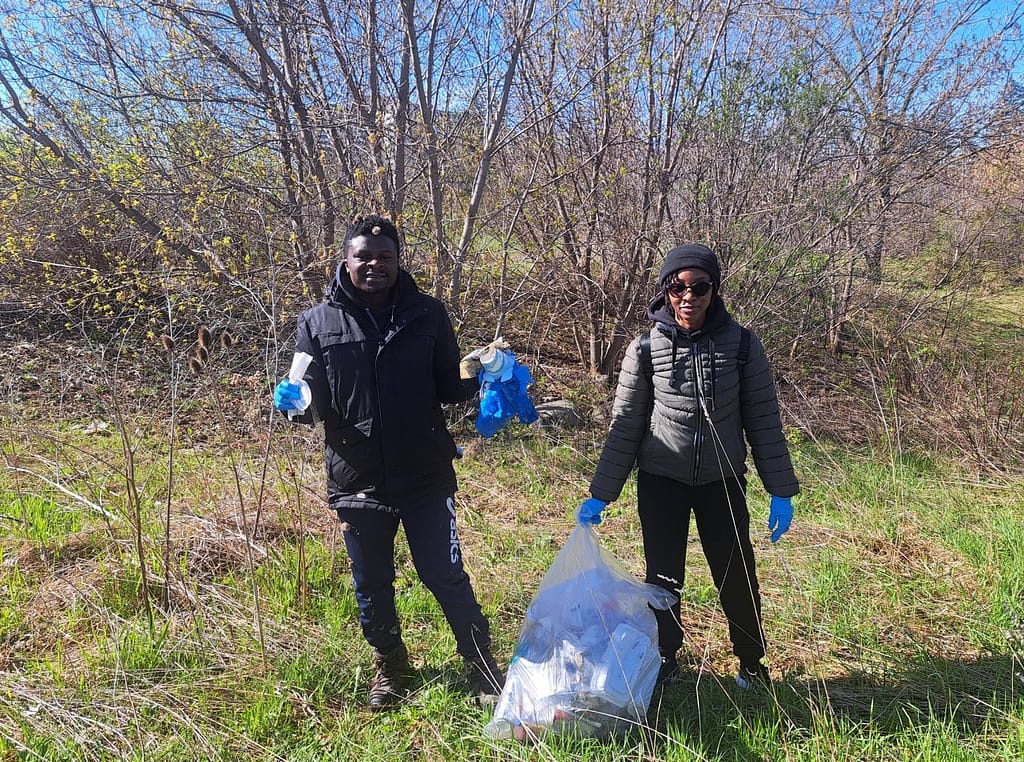
Cleanup Focus Area: Fred Young Park and Black Creek Forest Ravine
Our Toronto Cleanup targeted Fred Young Park and the surrounding areas bordering Black Creek Forest, including a nearby ravine that funnels waste into the forest ecosystem.
This area is especially sensitive because:
- It serves as wildlife habitat
- It borders residential communities
- It is close to York University, increasing human activity and waste pressure
- Ravines act as transport pathways for plastic pollution into forests and waterways
Without intervention, much of this waste would have continued to leach into the forest, threatening plants, animals, soil quality, and water systems.

Types of Waste Collected
During the four hours of Toronto cleanup, the team collected a wide range of discarded materials. The majority of litter consisted of plastic and single‑use items, highlighting the ongoing plastic pollution crisis in urban natural areas.
Items collected included:
- Plastic wrappers and food packaging
- Disposable cups and containers
- Plastic bottles (water, soft drinks, alcoholic beverages such as Heineken)
- Feeding bottles
- Aluminum cans
- Ceramic plates and dishes
- Pens, straws, tea cups
- Shoes, clothing, car covers
- Golf balls, baseballs, and other sports balls
- Brushes, beauty products, eyeglasses
- Snack wrappers and plastic fragments
A large concentration of plastic bottle caps and lightweight plastics was found in the ravine, indicating how easily waste migrates into forest ecosystems.
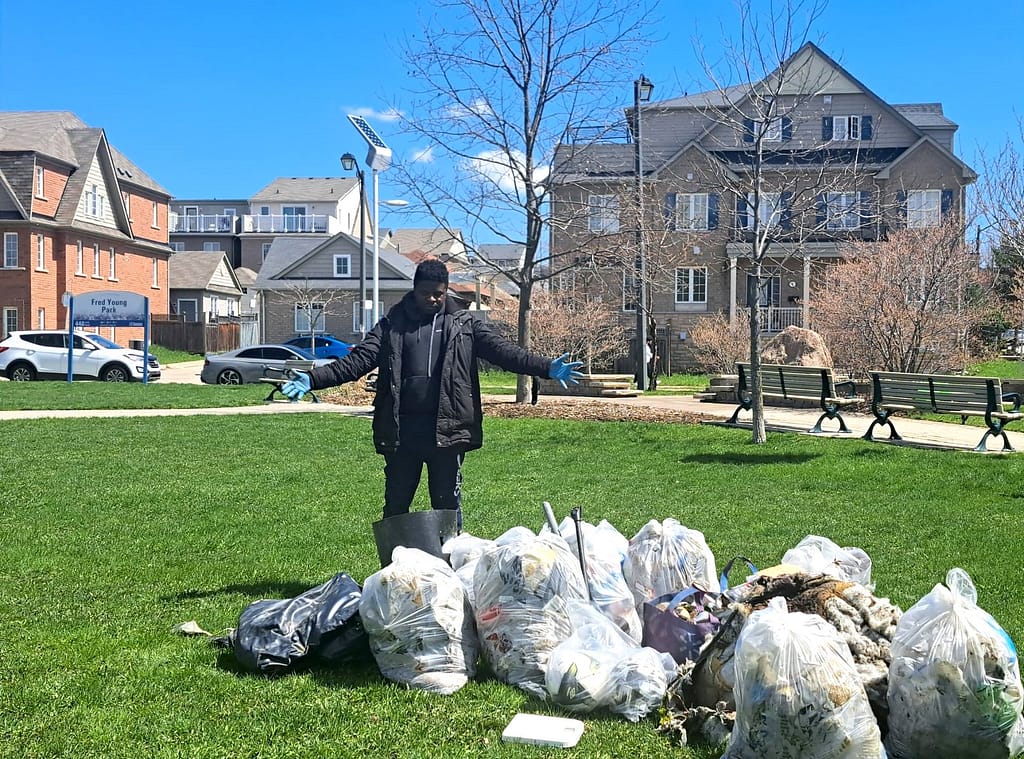
Wildlife Impact: Plastic Is Not Just Litter
One of the most powerful and disturbing observations made during the Toronto cleanup was evidence of animals mistaking plastic for food. Several balls collected from the forest edge showed clear bite marks, suggesting wildlife interaction.
This underscores a painful reality:
Plastic pollution directly threatens wildlife survival.
Animals that ingest plastic can suffer:
- Internal injuries
- Starvation
- Reduced mobility
- Premature death
Our volunteers witnessed firsthand how litter does not stay “out of sight,” it becomes part of the ecosystem, often with devastating consequences.
Cleanup Results and Environmental Impact
Despite having a small team, the results were substantial:
- 174 pounds of general litter removed (approximately 90% plastic)
- 25 pounds of recyclable materials collected, including cans, bottles, and ceramics
- 199 pounds of total waste removed from the environment
This represents 199 pounds of waste prevented from entering Black Creek Forest, protecting:
- Biodiversité
- Wildlife health
- Soil and water quality
- Plant ecosystems
Every pound removed means less stress on animals, plants, and fragile forest systems.
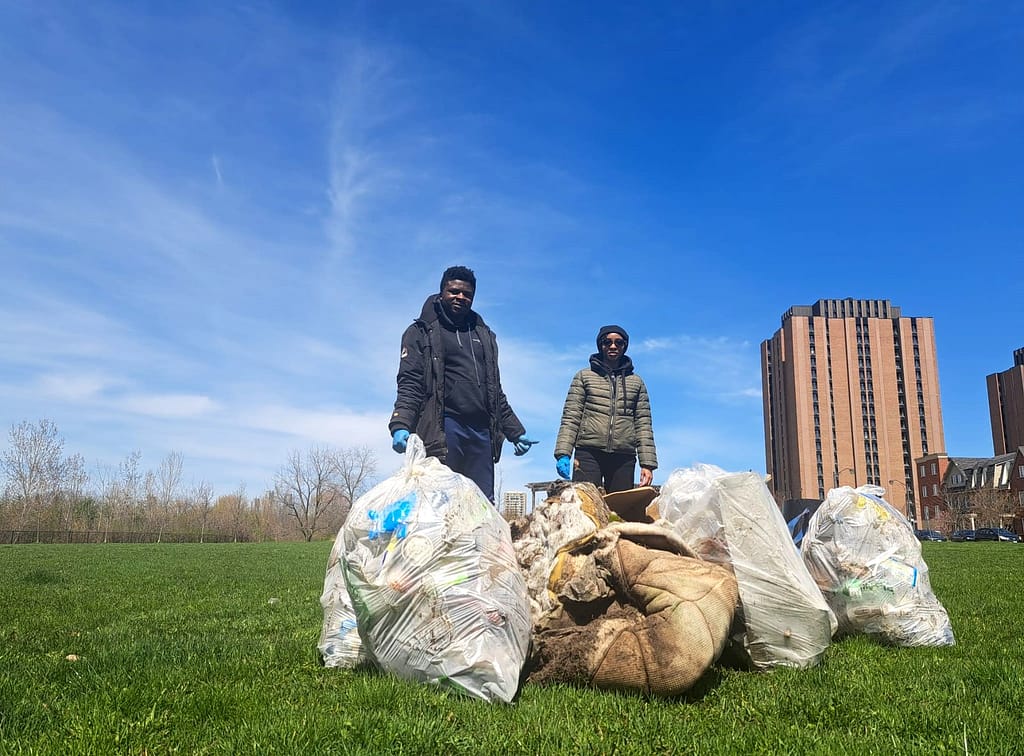
Why This Work Must Continue
While this Toronto cleanup made a meaningful difference, much more remains to be done. Plastic pollution continues to threaten Black Creek Forest due to:
- Nearby residential areas
- High foot traffic
- Proximity to York University
- Inadequate waste disposal behaviors
There are still plastics in the surrounding areas beyond our Toronto cleanup zone. As long as plastic continues to enter these ecosystems, continuous community intervention is needed.
Environmental protection is not a one‑day effort; it is a sustained commitment.
How You Can Get Involved and Support This Work
You can be part of the solution.
✅ Join Our Sustainable Neighbourhood Team
Become a volunteer and help us:
- Remove plastic pollution
- Protect urban forests
- Educate communities
✅ Support Our Mission Through Donations

Your donation helps us:
- Purchase cleanup supplies and safety gear
- Provide environmental education
- Expand cleanup efforts
- Protect more ecosystems across Canada
Every contribution, big or small, creates real, measurable impact.
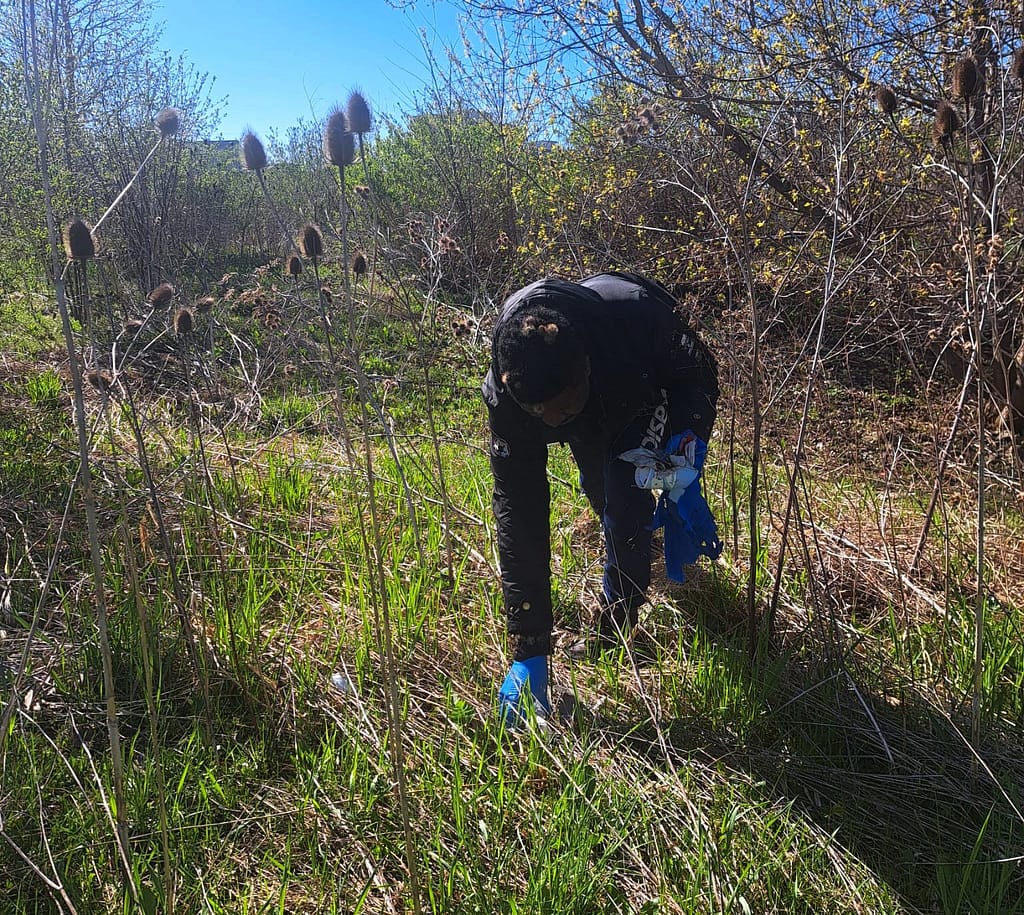
Closing Message: Together We Can Beat Plastic Pollution
The Toronto Cleanup at Fred Young Park showed what is possible when communities take action. Three volunteers, four hours, and 199 pounds of waste removed prove that every effort counts.
With your support, we can reach more neighborhoods, protect more forests, and inspire more people to care for our planet.
Join us. Volunteer. Donate. Take action today.

Ulrich Stephane Tamo
Hi, my name is Ulrich Stephane Tamo. I am an environmental activist and ocean lover. I love to travel and write blogs.
One thought on “Toronto Cleanup Report: Our power, our planet –Protecting Black Creek Forest Through Community Action”