Éducation Environnementale pour Un Terre Meilleure (EEFABE) Canada
Vous avez une initiative en développement durable
en tête? Collaborons afin de créer ensemble un impact environnemental durable.
Contactez‑nous
- +1 343 597 4664
- info@eefabecanada.org
- Toronto, Ontario
Abonnez-vous
Environmental Sustainability & Climate Change Education
- Home
- Environmental Sustainability & Climate Change Education
Are you eager to integrate an interactive after-school program on environmental sustainability and climate change education in your school and activities?
Request Now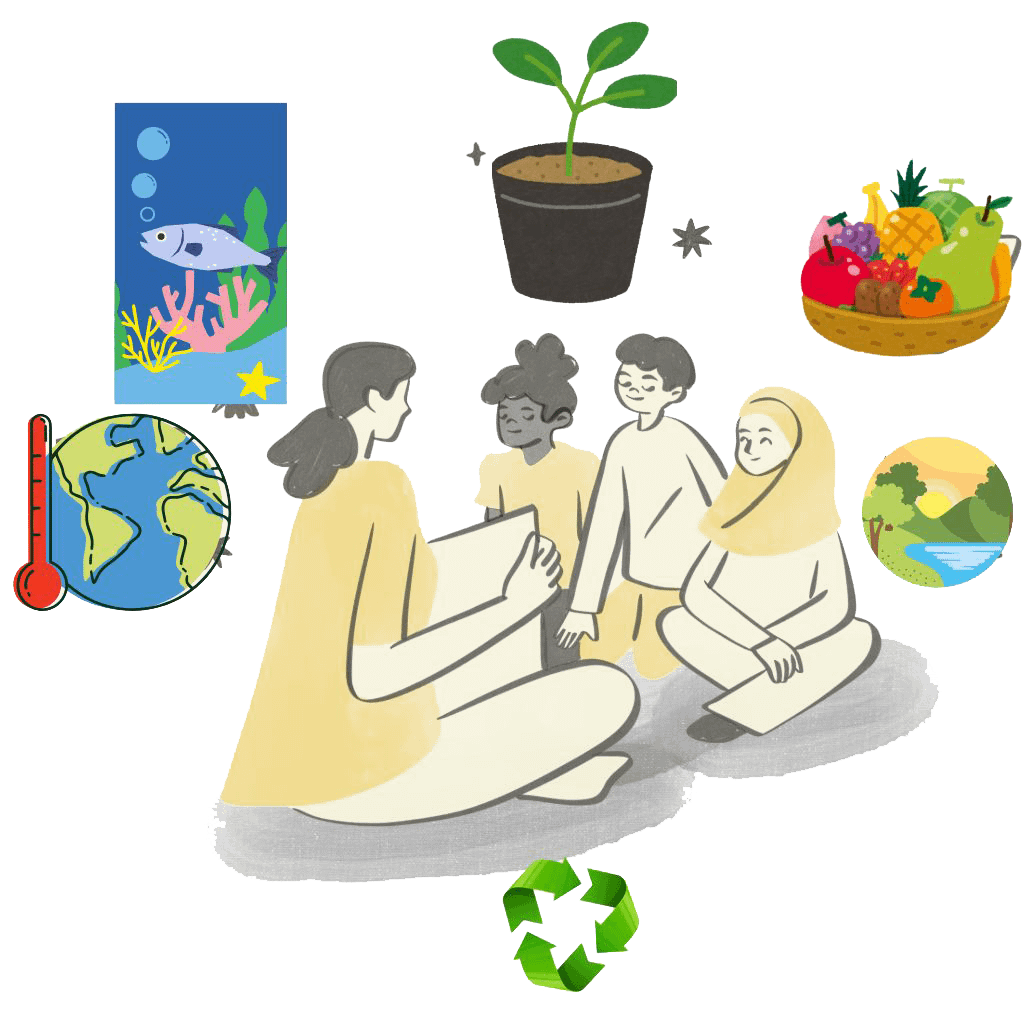
Climate change affects everyone, but its impacts are not experienced equally. Young people are among the most vulnerable, as they are highly susceptible to its consequences. To address this, we offer an interactive afterschool program focused on climate change education, designed to help students understand and respond to the specific environmental challenges affecting their local communities
The Sustainability, Environmental and Climate Change Education (SECCE) program is an interactive after-school curriculum that is used to empower young people in schools and communities to take action in addressing climate change and environmental degradation through environmental sustainability and climate change education. It is designed to run in schools for a full academic year, practically once a week. The program can be taught by everyone, irrespective of their profession and knowledge of environmental sustainability and climate change. However, they will need to undergo training on how to use the curriculum.
It covers activities on Climate Change and Human Rights, pointing out how climate change is a human rights issue. It also covers lessons on Environmental Sustainability, indicating the benefits of a sustainable lifestyle in environmental management. It also contains lessons on Climate Change activism, action and best practices, and finally, lessons to empower young people to develop their Activism, Communication and decision-making skills.
With the zeal to raise current and future environmental and climate champions, we focus the program on schools, where we train volunteers on how to deliver the program. However, a lesson from the curriculum can be developed to suit the setting and social gathering of young people based on their age group. That is, it can be used during summer camps, class periods, field trips, events, and any gathering to sensitize and advocate on issues related to the environment and climate change.
1. Sustainability
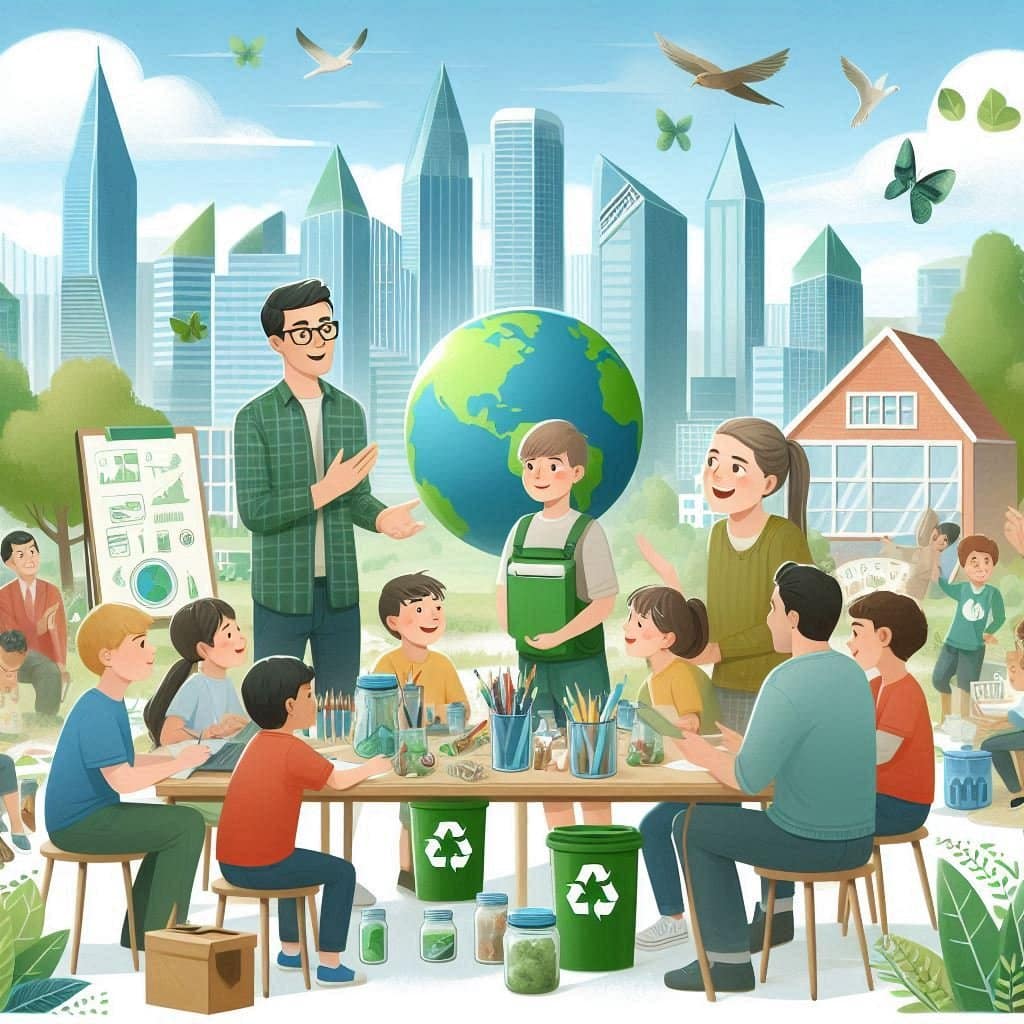
We teach young people practical ways to reduce their carbon footprint, highlight the importance of renewable energy sources and how it works through engaging discussions and demonstrations.
2. Policy Engagement
We introduce young people to key environmental policies at local, national, and global levels, helping them grasp how regulations impact climate change efforts.
3. Outdoor Activities
Participate in activities like tree planting, urban gardening, and water conservation efforts to foster a hands-on understanding of environmental responsibility.
4. Climate Art, Storytelling and digital advocacy
Encouraging young people to use creative platforms art, film, writing, and social media, to spread awareness and inspire CLIMATE action.
Overview
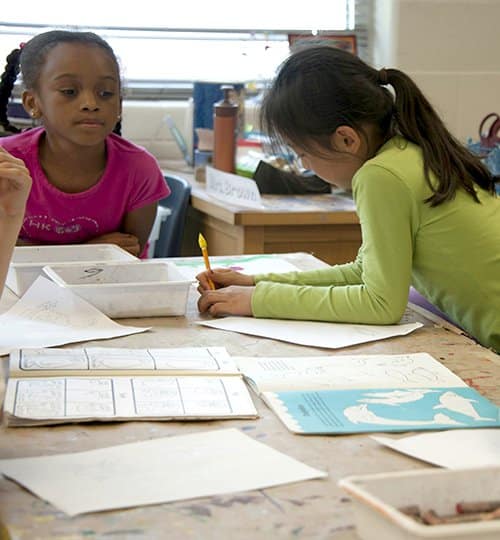
The Sustainability Environmental and Climate Change Education (SECCE) program is an interactive after-school curriculum designed to empower young people in schools and communities to take action against climate change and environmental degradation. Through environmental sustainability and climate change education, the program equips students with the knowledge and skills needed to make a positive impact.
The SECCE program runs throughout the academic year, with practical sessions held once a week for 45 to 90 minutes depending on the type of activity and schedule. It is designed to be accessible to everyone, regardless of their professional background or prior knowledge of environmental sustainability and climate change. However, facilitators must undergo training to effectively deliver the curriculum.
Key Focus Areas

Environmental Sustainability
- Demonstrate the benefits of sustainable living in environmental management.
- Be able to describe sustainability and sustainable consumption, developing critical thinking abilities.
- Understand where and how materials and resources used to produce the goods they consume come from, and how to contribute to climate action by controlling their consumption.
- Practice the various aspects of Reuse, Reduce, Refuse, and Rethink.

Climate Change & Human Rights
- Inform young people about why climate change is a call for concern. Discuss the Universal Declaration of Human Rights, and how climate change impacts and hinders those rights.
- Help them understand the importance of climate change education and its connection with human rights, while developing their analytical and writing skills.
- Young people will also be able to describe concrete reasons why climate change must be stopped. This will strengthen their abstract thinking skills.

Skill Development
- Enhancing communication, activism, and decision skills
- Increase students’ understanding of different styles of communication and their ability to formulate assertive responses; improve their analytic and dialogue skills.
- Enable students to adopt behaviors that enhance communication.
- Strengthen verbal and nonverbal skills necessary to communicate about climate change-related issues.
- Increase students’ confidence to change the world they live.
Outdoor Activities
- Enable students to carry out outdoor activities that promote environmental and climate action.
- Empower students to understand the role of nature in addressing climate change.
- Teach students how to set up and manage fruit and vegetable gardens.
- Help students understand the benefits of organic waste.
- Increase young people’s participation in environmentally friendly activities.

Climate Activism & Best Practices
- Teach youth how to take meaningful action through poems, songs, and games.
- Understand ways to identify, adapt to, and mitigate the impacts of climate change in their neighborhoods.
- Understand the different ways to take concrete climate action at all levels.
- Recognize the changes in the environment and climate over time by interacting with nature.
Where Can I apply the activities from the Curriculum
We aim to nurture current and future environmental champions by focusing on young people. We train volunteers to deliver the program effectively. However, lessons from the curriculum can also be adapted for various youth settings, including:
1. Summer camps
The lessons in our afterschool program are designed for any situation. We have activities that are fun but also contribute to raising awareness on the impact of climate change and environmental degradation. Participants can learn how to take action through games, skits, debates, plays, and more.
2. Classrooms
All of the activities in the curriculum can be taught in classrooms as an after-school program to engage students. It is not designed to follow the mainstream education pattern. It is designed to be fun and active with lessons focusing on what students see in their daily lives.
3. Field Trips
Some of the activities in this program are designed to focus on nature. This enables students to see and understand what they are being taught directly. This makes it suitable for field trips, irrespective of the location and setting.
4. Social Gatherings
Since climate change impacts everyone, we developed and designed some of the activities to focus on specific social issues. This makes it possible for some activities to be carried out at social gatherings, depending on the audience.