Environmental Education for a Better Earth Canada

Have a sustainability initiative in
mind? Let’s collaborate.
Contact Us
- +1 343 597 4664
- info@eefabecanada.org
- Toronto, Ontario
Subscribe
Follow Us
How Urban Litter Is Shaping Toronto’s Environmental Footprint

Why Spring Cleanup Action Matters for Our Parks, Waterways, and Future
As winter fades and Toronto’s parks, ravines, and forests begin to wake up, spring reveals more than new leaves and migrating birds. It also exposes a less pleasant reality: urban litter that has accumulated under snow, along trails, in waterways, and across green spaces.
Urban litter is often dismissed as a cosmetic problem. But evidence from the City of Toronto’s 2022 Litter Audit shows that what we leave on streets, parks, and sidewalks has far‑reaching impacts, reshaping the city’s environmental footprint and threatening the health of soil, water, wildlife, and people.
For environmental organizations and community members alike, spring is not just a season of renewal; it is a critical opportunity for action.
Urban Litter: More Than a Cleanliness Issue
Toronto’s litter audit examined 300 fixed sites across the city, consistently tracked over time, revealing patterns that matter deeply for environmental protection.
Among the most common items found:
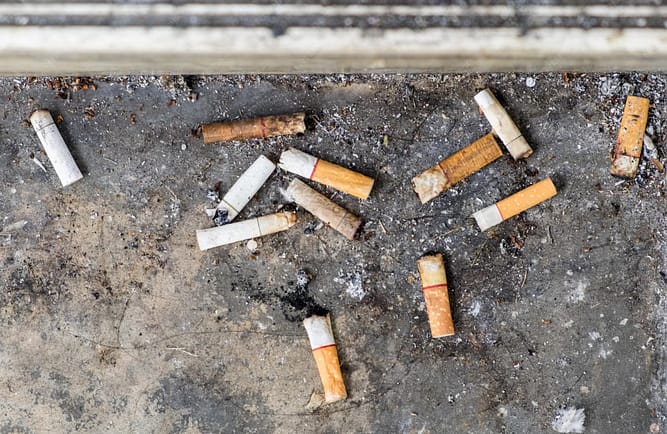
- Cigarette butts
- Plastic packaging and plastic film
- Paper products and single‑use materials
These materials are not confined to streets. Wind, rain, and foot traffic transport them directly into parks, ravines, and watershed systems, where their environmental impact intensifies.
What begins as roadside litter often ends up in soil, streams, and Lake Ontario, making urban litter an upstream driver of broader ecological damage.
Plastic Pollution and the Rise of Microplastics
Plastic litter is especially concerning because it does not simply disappear. Over time, plastics fragment into microplastics, tiny particles that persist in soil and water for decades.
In natural spaces, plastic fragments:
- Disrupt soil structure
- Limit water absorption
- Interfere with root growth and seed germination
- Introduce persistent pollutants into ecosystems
When plastic is removed early, before it breaks down, it prevents long‑term contamination. This makes hands‑on litter removal one of the most effective forms of environmental intervention, especially in spring when thawing accelerates plastic degradation.
Impacts on Waterways and Watersheds
Toronto is defined by its network of ravines, creeks, and streams. These natural systems act as highways for litter.
Data from the litter audit shows high concentrations of lightweight materials, such as plastic wrappers, cup lids, and cigarette filters, in areas with heavy pedestrian use. Once rain arrives, these items are easily carried into storm drains and waterways.
In aquatic environments, litter:
- Breaks down into microplastics consumed by fish and birds
- Leaches toxic chemicals into water
- Damages habitat structure and water quality
Protecting watersheds, therefore, depends not only on policies and infrastructure, but also on community action at ground level, where litter first enters the environment.
Also Read: Merging Ontario’s Conservation Authorities: An Operationally Smart, Forward‑Looking Transformation?
Wildlife, Soil, and Urban Biodiversity
Urban parks and forested areas are critical refuges for birds, pollinators, small mammals, and native plants. Litter poses direct risks to this biodiversity.
Wildlife can:
- Ingest small plastic pieces
- Become entangled in packaging
- Avoid contaminated habitats altogether
Soil health also suffers when plastics block sunlight, trap invasive species, and prevent organic matter from regenerating naturally.
Spring is a pivotal moment. As plants begin growing, plastic litter physically hinders regeneration, preventing seeds from establishing and roots from spreading. Removing litter now gives ecosystems the space they need to recover.
Consumption Habits and Waste Systems: A Shared Responsibility
The audit’s findings highlight a broader truth: urban litter reflects consumption patterns as much as it reflects cleanup capacity.
Many common litter items are:
- Single‑use
- Used briefly
- Discarded far from where they were purchased
This underscores the need for:
- Smarter product design
- Better public waste infrastructure
- Stronger stewardship culture
But change does not start only at the policy level. It starts with collective responsibility and visible action, especially in shared public spaces.
Why Spring Action Makes a Real Difference
Spring cleanup efforts are not symbolic. They are strategic.
By removing urban litter early in the season, communities:
- Prevent plastics from fragmenting into microplastics
- Protect soil and young plants
- Reduce litter entering waterways during spring rains
- Improve habitat conditions before wildlife breeding seasons
Every bag of litter removed today avoids years of environmental harm tomorrow.
From Evidence to Action
The City of Toronto Litter Audit confirms what environmental groups have long known: litter is predictable, preventable, and deeply connected to environmental health.
This spring, environmental stewardship can be simple and powerful:
- Pick up litter during walks in parks or ravines
- Join or organize local cleanup events
- Focus on plastics before they break down
- Encourage others to see cleanup as care, not punishment
Urban nature thrives when people actively protect it.
At EEFABE Canada, we believe environmental action begins where people live on streets, in parks, and along waterways. Spring is our shared invitation to remove what doesn’t belong, and allow nature to grow freely again.
Reference: City of Toronto Litter Audit 2022

Ulrich Stephane Tamo
Hi, my name is Ulrich Stephane Tamo. I am an environmental activist and ocean lover. I love to travel and write blogs.
2 thoughts on “How Urban Litter Is Shaping Toronto’s Environmental Footprint”