Environmental Education for a Better Earth Canada

Have a sustainability initiative in
mind? Let’s collaborate.
Contact Us
- +1 343 597 4664
- info@eefabecanada.org
- Toronto, Ontario
Subscribe
Follow Us
Toronto’s Net Zero Strategy Explained: What It Means for You and How Communities LIKE EEFABE CANADA Are Helping Deliver It
Toronto’s Path to Net Zero: A Plan for People, Neighbourhoods, and the Future
Climate change is no longer a distant concern; it is shaping how we live, move, heat our homes, manage waste, and care for one another. Recognizing this reality, the City of Toronto has adopted the TransformTO Net Zero Strategy Action Plan (2026–2030), a concrete roadmap to reduce greenhouse gas emissions and build a healthier, more equitable, and more resilient city for everyone.
Toronto has committed to reaching net zero greenhouse gas emissions by 2040, one of the most ambitious climate targets among major cities in North America. The 2026–2030 Action Plan translates that ambition into practical steps focused on buildings, transportation, waste, clean energy, and community engagement with equity and affordability at the centre.
This article explains, in plain language, what the City is planning, why it matters, and how residents and organizations like EEFABE Canada are helping turn the plan into action.
Why Net Zero Matters for Toronto
Toronto’s emissions largely come from three sources:
- Homes and buildings (≈55%), mainly natural gas heating
- Transportation (≈36%), especially gasoline‑powered vehicles
- Waste (≈10%), particularly methane from landfills
Reducing these emissions isn’t just about meeting climate targets. The City’s strategy explicitly links climate action to better health, lower energy costs, good green jobs, and improved quality of life, especially for communities that have historically faced environmental and economic barriers.
What the Net Zero Strategy Action Plan (2026–2030) Focuses On
1. Greener, Healthier Buildings
The City plans to accelerate home and building retrofits, replacing fossil‑fuel heating with efficient electric systems like heat pumps, improving insulation, and cutting energy waste. New buildings are required to meet near‑zero emissions standards through the Toronto Green Standard, while existing buildings are supported through financing tools and retrofit guides.
Why it matters to residents: lower utility bills, healthier indoor air, and more comfortable homes, especially during heatwaves and extreme cold.
2. Cleaner Transportation and Safer Streets
Toronto’s plan prioritizes walking, cycling, public transit, and electric vehicles, with the goal that:
- 75% of trips under 5 km are walked or cycled
- 100% of vehicles use low‑carbon energy by 2050
The City is expanding bike infrastructure, improving transit reliability, and rolling out EV charging, including support for vehicle‑for‑hire drivers and multi‑unit residential buildings.
Why it matters: cleaner air, safer streets, reduced household transportation costs, and healthier communities.
3. Reducing Waste and Moving Toward a Circular Economy
The Strategy aims to dramatically cut waste emissions by:
- Increasing waste diversion
- Reducing organic waste in landfills
- Supporting reuse, repair, and circular-economy initiatives
This approach treats waste as a resource, not just a problem.
4. Clean Energy and Climate‑Resilient Infrastructure
Toronto is investing in renewable energy, district energy systems, battery storage, and resilient green infrastructure, while preparing for climate impacts like extreme heat, flooding, and poor air quality.
5. Equity, Youth, and Community Leadership at the Centre
One of the strongest elements of the 2026–2030 Action Plan is its explicit commitment to:
- Equity and climate justice
- Indigenous reconciliation
- Meaningful youth engagement
- Support for Black‑led and newcomer‑led climate initiatives
The City acknowledges that climate action will only succeed if everyone can participate and benefit.
Also read: How Urban Litter Is Shaping Toronto’s Environmental Footprint
How Communities Can Play a Role
The City is clear: government alone cannot achieve net zero. Community organizations, residents, schools, and local leaders are essential partners in delivering climate action on the ground.
This is where organizations like Environmental Education for a Better Earth Canada (EEFABE Canada) come in.
How EEFABE Canada Is Advancing Toronto’s Net Zero Goals
EEFABE Canada works at the intersection of youth engagement, environmental education, and neighbourhood‑led solutions. Our programs directly support several pillars of Toronto’s Net Zero Strategy.
Promoting Low‑Carbon Transportation
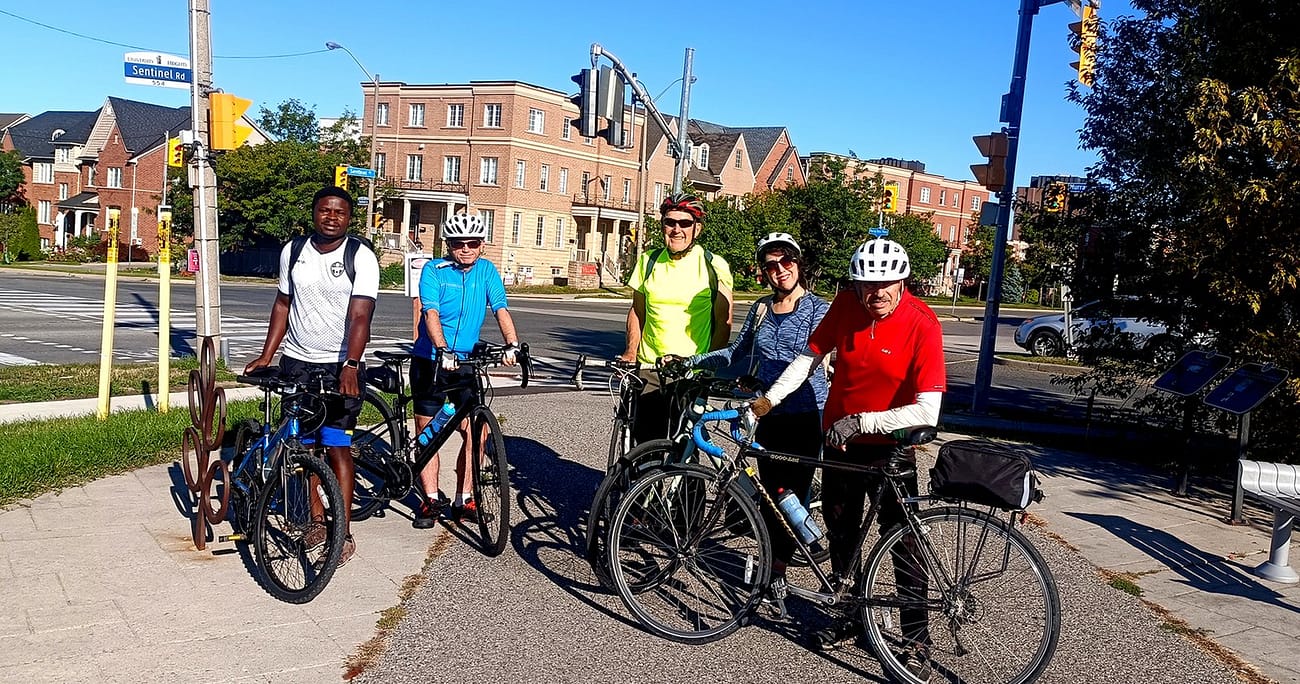
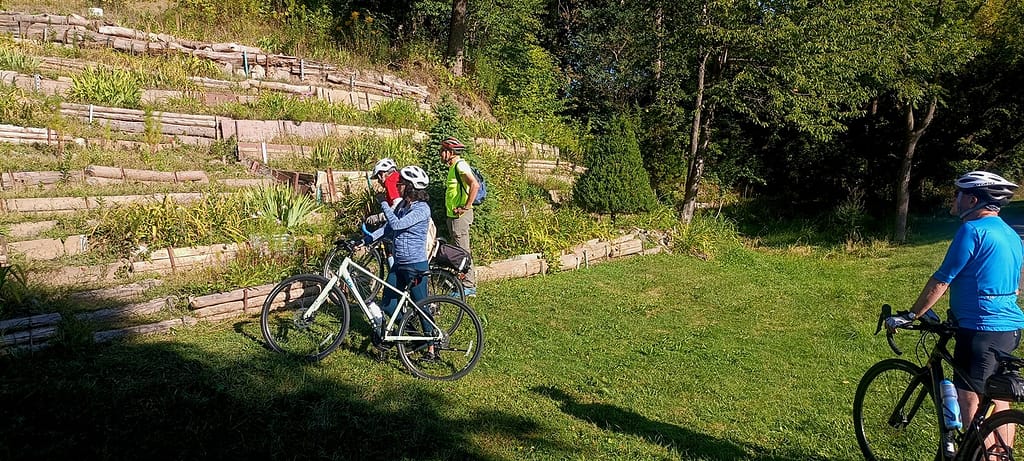
Through outdoor cycling education, bike‑safety training, and guided biodiversity rides, EEFABE Canada helps youth and newcomers gain confidence using bicycles as a safe, affordable, zero‑emission mode of transport. This aligns with the City’s active‑transportation targets and equity goals.
Reducing Waste and Plastic Pollution
Our neighbourhood clean‑ups, re-use of shopping bags, and plastic‑reduction initiatives support Toronto’s waste‑reduction and litter‑prevention actions, while building community pride and environmental stewardship.
Growing Climate‑Resilient Communities
EEFABE’s organic gardening programs, including container gardens made from repurposed plastic containers, help residents:
- Reduce waste
- Improve food security
- Learn climate‑friendly growing practices
These activities reflect the City’s focus on circular economy and nature‑based solutions.
Training the Next Generation
By collaborating with partners such as TRCA, Neighbourhood Climate Action Champions, and community farms, EEFABE supports hands‑on learning in conservation, urban agriculture, and climate leadership, especially for youth, Black communities, and newcomers.
Building Digital and Organizational Capacity
Using tools like Microsoft 365, Canva, and digital collaboration platforms, as well as real-time action-oriented applications to track impact, EEFABE strengthens outreach, volunteer coordination, and climate education, mirroring the City’s emphasis on modern, inclusive delivery methods.
How You Can Get Involved
Toronto’s Net Zero Strategy is not just a government plan; it’s a city‑wide invitation to act.
You can:
- Walk, cycle, or take transit more often
- Learn about home energy retrofits
- Reduce waste and compost
- Join community clean‑ups or gardens
- Volunteer with local environmental organizations
- Support youth‑led and equity‑focused climate initiatives
Every action adds up.
A Shared Journey to 2040
The TransformTO Net Zero Strategy Action Plan (2026–2030) makes one thing clear: Toronto’s climate future will be built neighbourhood by neighbourhood, and generation by generation.
At EEFABE Canada, we are proud to stand alongside communities, youth, and the City in turning plans into practical action on bike paths, in parks, gardens, classrooms, and neighbourhoods across Toronto.
Together, net zero is not only possible! It is already underway.

Ulrich Stephane Tamo
Hi, my name is Ulrich Stephane Tamo. I am an environmental activist and ocean lover. I love to travel and write blogs.