Éducation Environnementale pour Un Terre Meilleure (EEFABE) Canada

Vous avez une initiative en développement durable
en tête? Collaborons afin de créer ensemble un impact environnemental durable.
Contactez‑nous
- +1 343 597 4664
- info@eefabecanada.org
- Toronto, Ontario
Abonnez-vous
Suivez-nous
Car-Free Day: Ride for Biodiversity Campaign
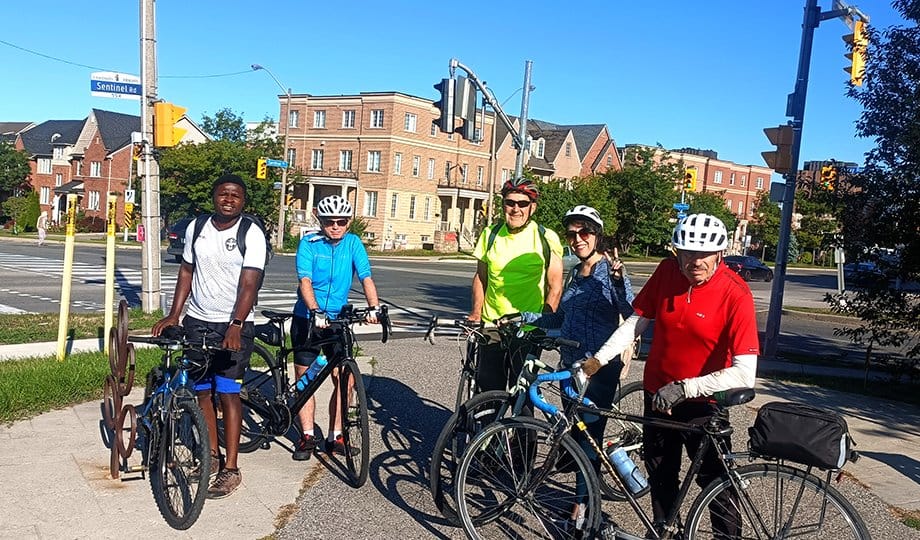
Car-Free Day: Ride for Biodiversity Campaign
Building Healthier Communities Through Sustainable Transportation and Environmental Stewardship
Notre vision
We envision communities where people choose sustainable transportation, connect with nature, and actively contribute to protecting biodiversity and reducing the impacts of climate change.
The Car-Free Day: Ride for Biodiversity Campaign is a community-driven initiative that encourages residents to reduce their dependence on cars, embrace active transportation, and develop a deeper appreciation for the natural environments that sustain us.
By combining biodiversity education, cycling accessibility, community engagement, and environmental action, this campaign empowers individuals to become champions for a healthier, greener future.
The Challenge
Transportation remains one of the largest contributors to greenhouse gas emissions and air pollution in our communities. Heavy reliance on motor vehicles contributes to climate change, poor air quality, traffic congestion, and reduced opportunities for healthy active living.
At the same time, many residents face barriers to participating in sustainable transportation initiatives. Some do not own bicycles, while others lack the skills or confidence needed to ride safely.
As urban development continues to grow, many people are becoming disconnected from local natural spaces and unaware of the rich biodiversity that exists within our parks, trails, rivers, and green corridors.
Our Response
The Car-Free Day: Ride for Biodiversity Campaign encourages community members to replace car trips with healthier and more sustainable alternatives while fostering a stronger connection with nature.
Through public education, cycling activities, biodiversity interpretation, bike-access initiatives, and cycling skills development, we are creating opportunities for people of all ages and backgrounds to participate in environmental action.
The campaign promotes a simple message:
Leave the car behind. Explore nature. Protect biodiversity.
Campaign Objectives
Promote Sustainable Transportation
Encourage residents to choose cycling, walking, and public transit as alternatives to personal vehicle use.
Increase Biodiversity Awareness
Help community members understand local ecosystems, native species, pollinators, watersheds, and the importance of habitat conservation.
Remove Barriers to Participation
Ensure that lack of access to a bicycle or cycling experience does not prevent individuals from joining the movement.
Improve Community Health
Promote active living, outdoor recreation, and mental well-being through nature-based activities.
Inspire Environmental Stewardship
Empower participants to take practical actions that support conservation and environmental sustainability.
Campaign Initiatives
Biodiversity Biking Adventures
Guided cycling experiences along the Black Creek Parkland Trail and Humber Recreational Trail will provide opportunities for participants to learn about local ecosystems, wildlife habitats, urban forests, watersheds, and conservation efforts.
These rides serve as outdoor learning experiences that connect environmental education with sustainable transportation.
Community Bike Access Program
Many residents want to participate in cycling activities but do not have access to a bicycle.
Through partnerships, sponsorships, donations, and community support, the campaign seeks to secure bicycles and safety equipment for participants who need them.
Our goal is to make cycling accessible to everyone.
Learn-to-Ride and Cycling Confidence Training
Free cycling skills sessions will be offered to individuals who are new to cycling or would like to improve their confidence before participating in group rides and community cycling activities.
Environmental Awareness and Advocacy
The campaign promotes public awareness of:
- Climate action
- Active transportation
- Biodiversity conservation
- Sustainable urban development
- Green infrastructure and cycling networks
How You Can Support the Campaign
Participate
Join campaign activities and commit to making more car-free trips.
Volunteer
Support biodiversity education, cycling programs, outreach efforts, and community engagement activities.
Sponsor a Bike
Help provide bicycles and safety equipment for participants who face transportation barriers.
Partner With Us
Organizations, businesses, and community groups can collaborate to expand access to sustainable transportation and environmental learning opportunities.
Spread the Message
Share the campaign with friends, family, colleagues, and community members.
Our Impact
By encouraging active transportation and connecting people with nature, the Car-Free Friday: Ride for Biodiversity Campaign aims to:
- Reduce reliance on personal vehicles.
- Lower transportation-related emissions.
- Improve public awareness of local biodiversity.
- Increase cycling participation.
- Remove barriers to sustainable transportation.
- Strengthen community engagement in environmental stewardship.
- Create healthier, more resilient communities.
Join the Movement
Creating sustainable communities requires collective action. Every bicycle ride, every car-free trip, and every opportunity to learn about and protect biodiversity contributes to a healthier environment for future generations.
Together, we can build a culture of sustainable transportation, environmental responsibility, and community well-being.