Environmental Education for a Better Earth Canada

Have a sustainability initiative in
mind? Let’s collaborate.
Contact Us
- +1 343 597 4664
- info@eefabecanada.org
- Toronto, Ontario
Subscribe
Nature-based Solutions
- Home
- Nature-based Solutions

Request a Quote
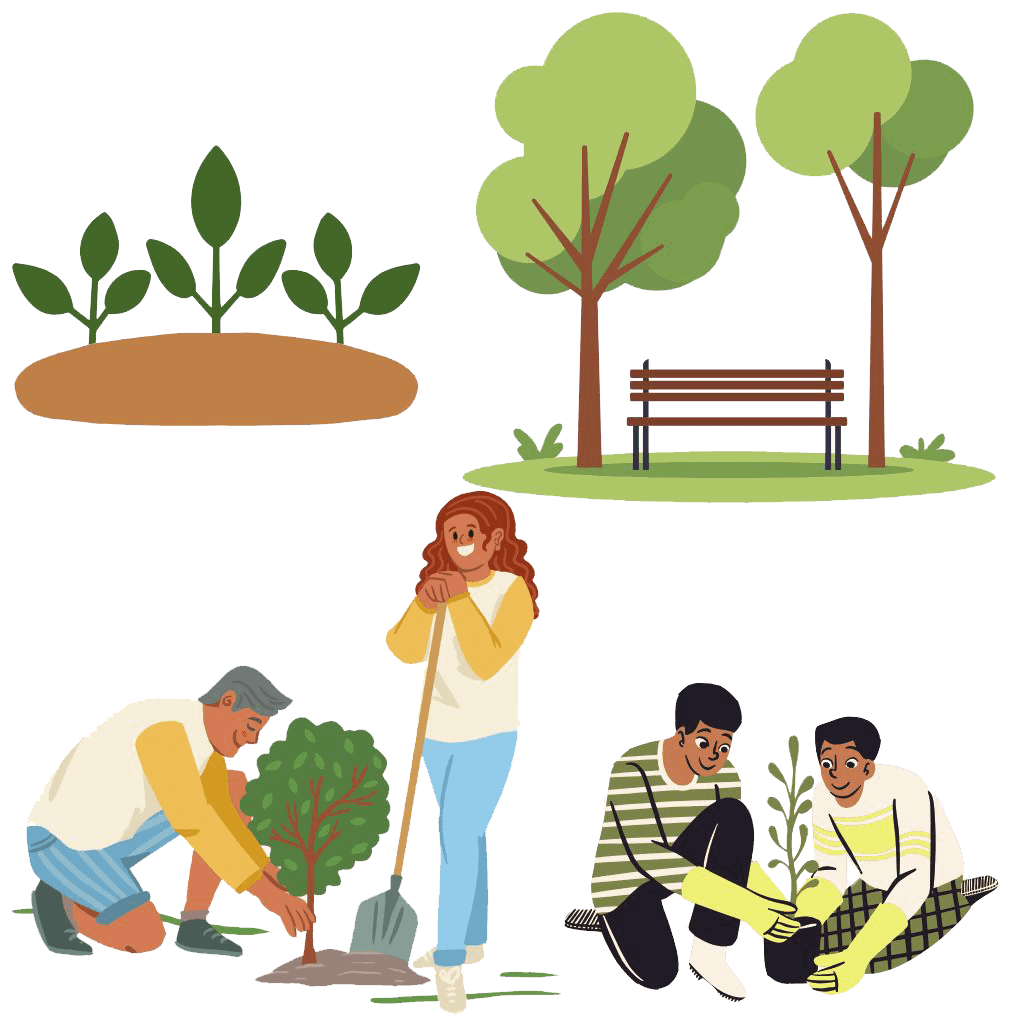
Nature remains at the heart of solving the triple planetary crisis—biodiversity loss, pollution, and climate change. It offers powerful, accessible, and community-driven solutions that anyone can implement, regardless of location or social status.
We believe that nature-based solutions are not only effective in restoring ecosystems but also provide opportunities for sustainable livelihoods. Our initiative focuses on environmentally friendly income-generating activities, empowering individuals and communities to protect the environment while enhancing their well-being.
1. Fruits and Vegetable Gardens
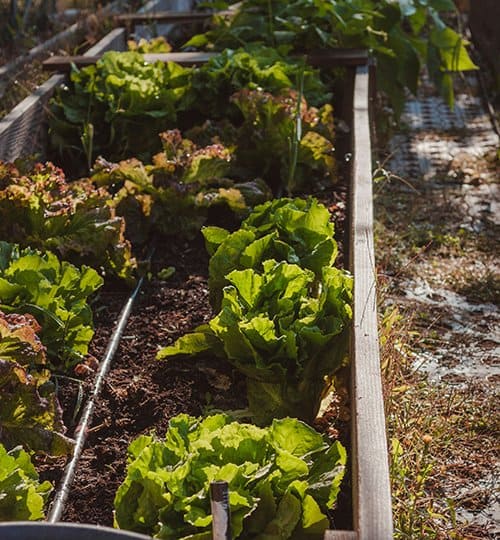
We help individuals and communities establish gardens that serve a dual purpose: providing fresh, homegrown produce while generating income. Here, we carry workshop on composting, mushroom farming, and fish farming, demonstrating how we can have a complete circle via sustainable production and consumption. These contribute to food security, reduce household expenses, and promote a healthier, more sustainable lifestyle.. Encouraging urban and rural communities to grow food sustainably using regenerative agriculture, permaculture, and organic farming techniques
2. Polinator Gardens
Planting the right ornamental and native plants attracts pollinators like bees, butterflies, and birds, fostering biodiversity while improving carbon capture. These green spaces contribute to ecosystem restoration and climate resilience.
By embracing these nature-based solutions, individuals and communities can actively combat climate change, restore degraded landscapes, and create sustainable sources of income, while protecting the planet. Creating dedicated spaces with nectar-rich flowers and native plants to support bees, butterflies, and other pollinators.
3. Park and Residence Greening
We support the setup of tree nurseries to cultivate fruit-bearing and indigenous trees. These trees not only enhance biodiversity but also serve as long-term sources of food, income, and carbon sequestration. Transforming urban parks into thriving ecosystems by planting native species, restoring degraded land, and improving soil health.
4. Urban Greening
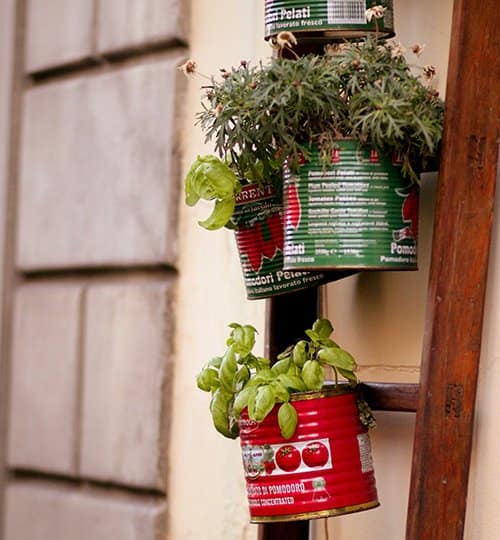
Integrating vegetation into rooftops and vertical surfaces reduces heat islands, absorbs carbon dioxide, and improves urban biodiversity while providing insulation benefits.
Related FAQ's
1. What are nature‑based solutions and why are they central to EEFABE Canada’s mission?
Nature‑based solutions (NBS) use natural processes to protect the environment, restore ecosystems, and strengthen biodiversity. They directly support our charitable purpose of conserving and restoring ecosystems for the benefit of the public.
2. How does EEFABE Canada help restore ecosystems and biodiversity?
We restore degraded green spaces, support pollinator‑friendly gardens, plant native species, and mobilize communities to care for public gardens. These actions rebuild natural habitats, increase biodiversity, and strengthen long‑term ecosystem health.
3. How do your gardening programs fit into nature‑based solutions?
Gardening improves soil health, increases green cover, supports pollinators, and reduces urban heat, all key nature‑based solutions. Our home‑garden and community‑garden programs help residents adopt practices that restore ecosystems and reduce environmental stress.
4. What is the “One Home, One Garden” initiative?
One Home, One Garden encourages every household to grow at least one plant, even a small pot on a balcony or window. This simple action increases urban greenery, improves air quality, supports biodiversity, and helps reduce pollution through natural filtration.
5. How does EEFABE Canada support residents in creating home gardens?
We provide training, tools, and guidance to help residents set up sustainable gardens. Our education covers soil care, composting, native plants, and climate‑friendly gardening techniques, advancing public knowledge on environmental sustainability.
6. What role do community gardens play in your nature‑based solutions work?
Community gardens act as local ecosystem hubs. They improve air quality, reduce pollution, support biodiversity, and create shared green spaces for public benefit. We mobilize neighbourhoods to maintain these gardens as long‑term environmental assets.
7. How does gardening help reduce pollution and improve air quality?
Plants naturally filter pollutants, capture carbon, and cool urban environments. By increasing vegetation through home gardens, public gardens, and community stewardship, we help reduce polluted air and support cleaner, healthier neighbourhoods.
8. Does EEFABE Canada provide education on environmental sustainability and climate change?
Yes. Education is one of our core charitable purposes. We offer workshops, school programs, community sensitization sessions, and hands‑on training that teach residents how nature‑based solutions can reduce pollution, restore ecosystems, and address climate change.
9. How does EEFABE Canada mobilize communities for nature‑based environmental action?
We organize community cleanups, gardening days, biodiversity restoration events, and stewardship activities. These actions reduce pollution, restore ecosystems, and build long‑term community engagement in environmental protection.
10. How can I participate in EEFABE Canada’s nature‑based solutions programs?
You can join our gardening workshops, volunteer in community gardens, adopt a plant through One Home One Garden, or participate in our sensitization activities. Every action supports ecosystem restoration, pollution reduction, and environmental education.