Environmental Education for a Better Earth Canada

Have a sustainability initiative in
mind? Let’s collaborate.
Contact Us
- +1 343 597 4664
- info@eefabecanada.org
- Toronto, Ontario
Subscribe
Sustainable Neighbourhoods
- Home
- Sustainable Neighbourhoods

Get Updates

Our neighborhoods are more than just places where we live. They are the heart of our communities, cities, and townships. They shape our well-being, influence our environment, and define the quality of life we experience daily. However, as modern conveniences grow, so does the challenge of plastic pollution and litter, which threatens the health of our surroundings.
Plastic litter, particularly from single-use items like shopping bags, food wrappers, and bottles, has become a persistent issue in many neighbourhoods. Despite the presence of waste management authorities, plastic waste often remains improperly disposed of, accumulating in streets, parks, and community forests. Over time, natural elements such as wind and rain transport these pollutants into green spaces and waterways, harming wildlife and disrupting ecosystems. These plastics often find their way into our waters and soils in the form of microplastics (tiny plastic particles less than five millimeters in size). Once in the environment, these particles can be ingested by various organisms, entering the food chain. Eventually, they make their way into the human body through the consumption of contaminated water and food. The presence of microplastics in our bodies poses potential health risks, as they can cause inflammation and other harmful effects.
Plastic waste doesn’t just make our surroundings unsightly! it significantly affects biodiversity. Parks, forests, and urban gardens, which should serve as vital green lungs for our communities, often bear the brunt of plastic pollution. Wildlife, including birds and small mammals, mistake plastic for food or become entangled, leading to injury or death.
Single-use shopping bags are a major contributor to plastic pollution. Many shoppers purchase a new bag each time they visit a store, while some vendors offer low-quality, non-durable bags that tear easily and are discarded almost immediately. Without sustainable alternatives, these bags end up as litter, further polluting our neighborhoods.
A thriving neighbourhood is not just about houses and streets. It’s about community, resilience, and sustainability. Climate change is reshaping our world, and neighbourhoods must step up to implement local solutions that make a difference.
Impact on Green Spaces & Wildlife
Plastic waste doesn’t just make our surroundings unsightly. It significantly affects biodiversity. Parks, forests, and urban gardens, which should serve as vital green lungs for our communities, often bear the brunt of plastic pollution. Wildlife, including birds and small mammals, mistake plastic for food or become entangled, leading to injury or death.
The Shopping Bag Problem
Single-use shopping bags are a major contributor to plastic pollution. Many shoppers purchase a new bag each time they visit a store, while some vendors offer low-quality, non-durable bags that tear easily and are discarded almost immediately. Without sustainable alternatives, these bags end up as litter, further polluting our neighborhoods.
Our Best Practices
1. Green Spaces & Urban Gardens
Collaborate with residents to create gardens, establish flower patches, and transform vacant lots into small green spaces with native plants to improve air quality and relaxation spots
2. Waste Reduction
Organise events, support composting, and encourage local businesses and households to adopt reusable alternatives, minimize single-use plastics, and engage in neighbourhood cleanups.
3. Sustainable Transportation and local policy climate action
Set up/work with resident-led councils to discuss climate policies, and encourage residents to walk, cycle or use public transit for eco-friendly initiatives
4. Community Engagement
Hosting educational sessions on climate solutions like renewable energy, waste reduction, and sustainable living, and organizing nature walks, documentary screenings, and public forums to increase awareness of climate issues.

Ways to Take Action
1. Promoting Reusable & Biodegradable Alternatives
Encouraging the use of durable, eco-friendly shopping bags can significantly reduce plastic waste. We advocate for community-driven initiatives that support reusable bags, compostable packaging, and plastic-free shopping habits.
2. Neighborhood Clean-Up Initiatives
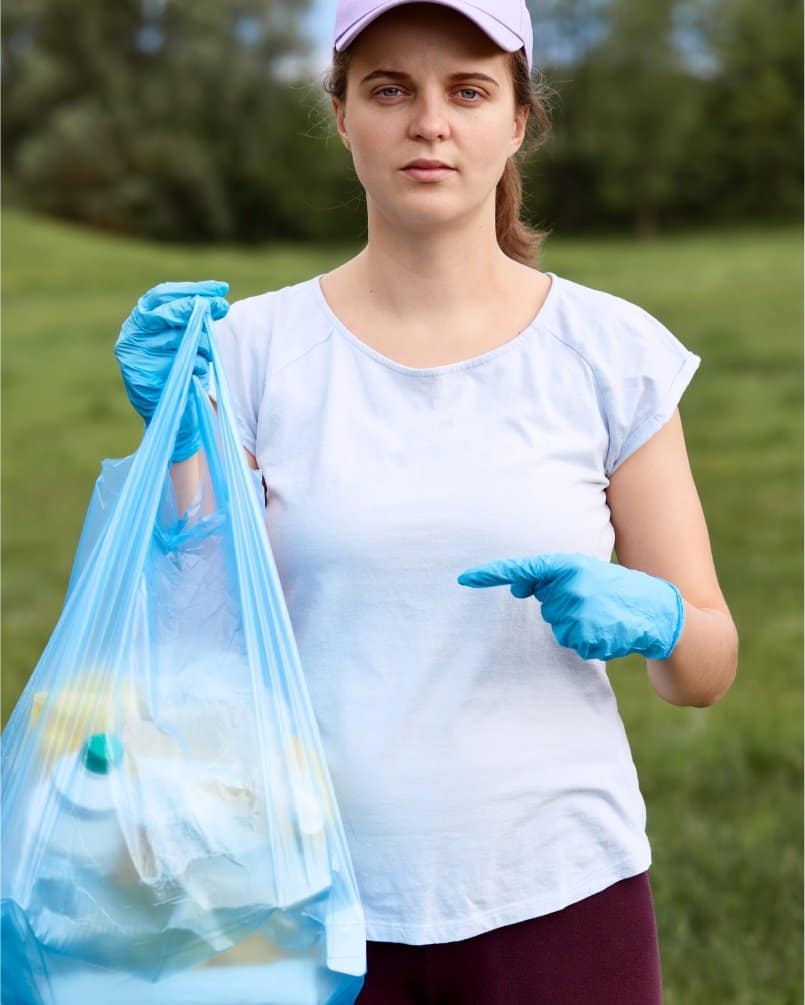
Organizing regular clean-up drives in parks, forests, and public spaces helps keep plastic waste under control while fostering community engagement.
3. Recycling & Proper Waste Management Education
Raising awareness about responsible plastic disposal and recycling can empower individuals to make conscious choices, preventing waste from polluting natural spaces.