Environmental Education for a Better Earth Canada

Have a sustainability initiative in
mind? Let’s collaborate.
Contact Us
- +1 343 597 4664
- info@eefabecanada.org
- Toronto, Ontario
Subscribe
Sustainable Transportation
- Home
- Sustainable Transportation

Join Our Next Event
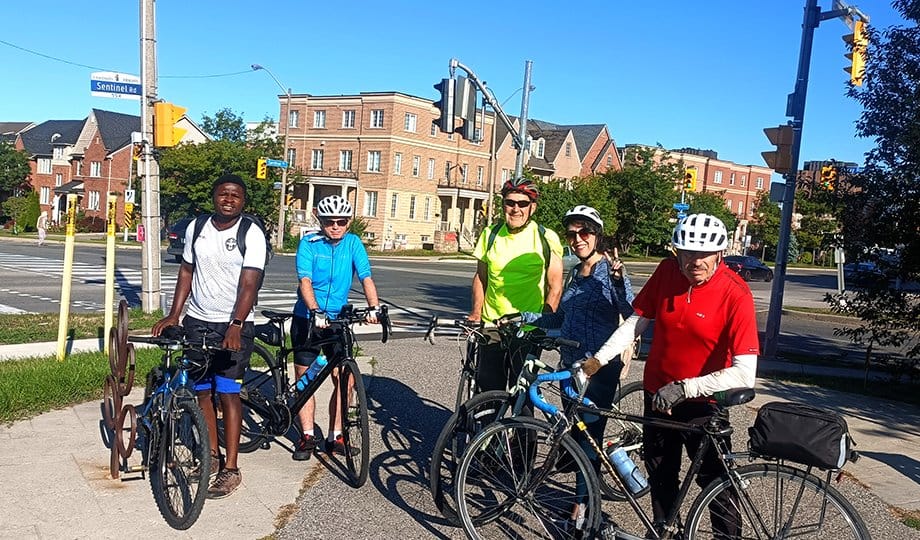
Promoting sustainable mobility, climate action, and nature appreciation across Toronto’s neighbourhoods.
Environmental Benefits: Fewer cars mean less pollution and lower carbon emissions, leading to cleaner air and reduced climate impact.
Urban Well-Being: Car-free streets allow for more green spaces, safer sidewalks, and better community engagement.
Health Benefits: Walking and cycling boost physical fitness, lower stress, and create healthier lifestyles.
1. Sustainability Standards
- Leave Your Car at Home – Walk, cycle, or use public transportation for the day
- Organize a Car-Free Zone – Advocate for local streets to be reserved for pedestrians and cyclists
Join a Community - Event – Participate in clean-up drives, outdoor activities, and awareness workshops
- Support Green Policies – Push for better public transport infrastructure, bike lanes, and sustainable urban planning
- Spread Awareness – Share the campaign on social media, encourage friends and family to join, and educate others on the benefits
2. Educational Resources
By choosing alternative transportation, we can create cleaner cities, healthier communities, and a more sustainable future. Car-Free Day is more than just one day—it’s a movement toward lasting environmental change.
Related FAQ's
1. Who can participate in the Sustainable Transportation Program?
Anyone can participate — youth, adults, families, newcomers, and community groups. The program is designed to be inclusive and accessible, encouraging all residents to reduce car use and explore cleaner, healthier transportation options such as walking, cycling, and public transit.
2. What types of activities are included in the program?
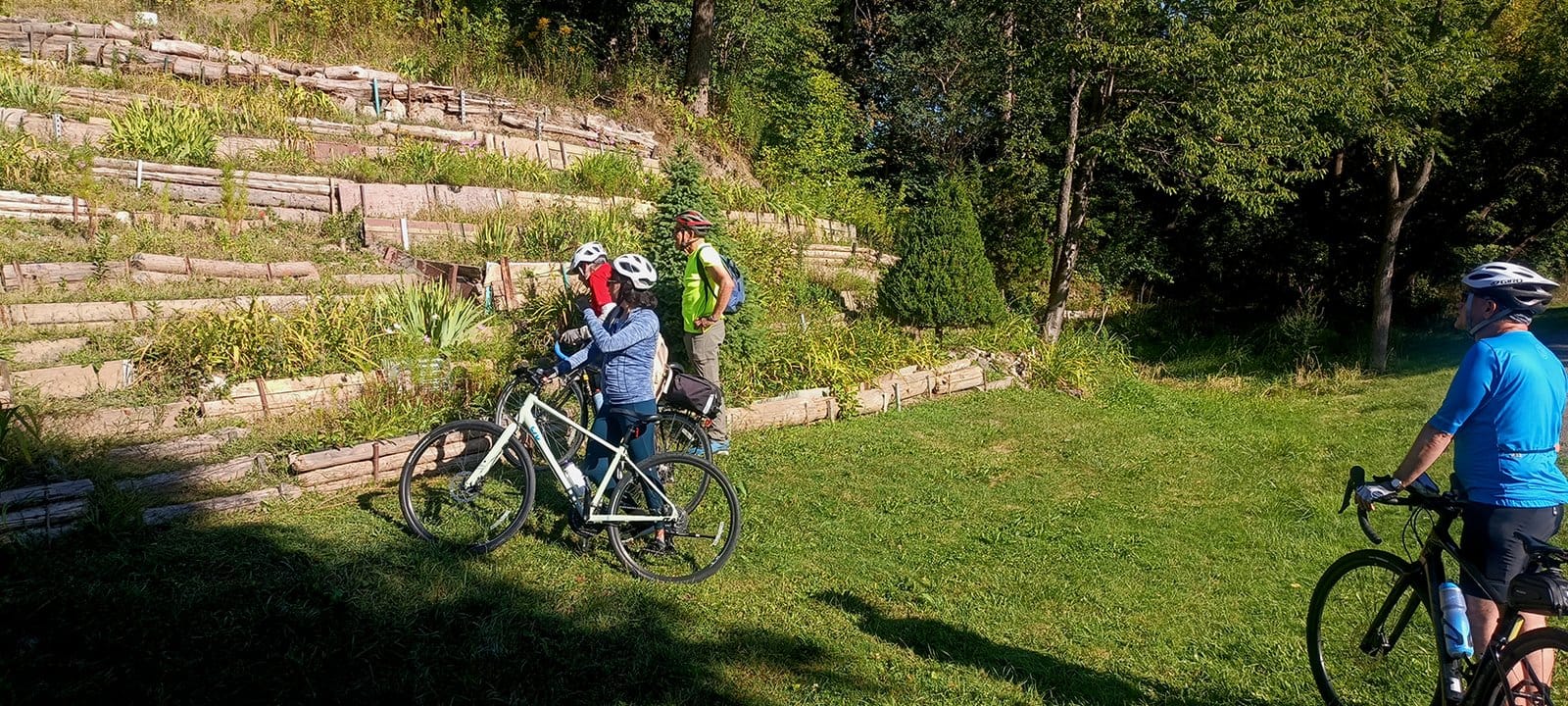
Participants engage in a range of activities, including guided community walks, cycling sessions, car‑free day events, interpretive nature tours, clean‑up drives, and educational workshops. These activities help people experience the environmental, health, and community benefits of sustainable transportation.
3. How often do activities take place?
Our sustainable transportation activities run year‑round, with high‑intensity programming during the summer months when outdoor participation is at its peak. Throughout the season, we offer regular guided walks, cycling sessions, and in‑park trail experiences that help participants explore local green spaces while practicing sustainable mobility. During the rest of the year, we continue with monthly workshops, community walks, and educational sessions to keep participants engaged and informed.
4. How do I register for the program or upcoming events?
Registration is simple. Participants can sign up through our website or event pages, where each activity includes a registration link. Some events are drop‑in friendly, while others require advance sign‑up to ensure safety, proper planning, and availability of materials.
5. Why is sustainable transportation important for our community?
Choosing alternatives to driving, such as walking, cycling, or public transit, reduces pollution, lowers carbon emissions, and improves air quality. It also supports healthier lifestyles, safer streets, and stronger community connections. Every small change contributes to cleaner cities, healthier neighborhoods, and a more sustainable future.