Environmental Education for a Better Earth Canada

Have a sustainability initiative in
mind? Let’s collaborate.
Contact Us
- +1 343 597 4664
- info@eefabecanada.org
- Toronto, Ontario
Subscribe
Follow Us
Discovering the Hidden Biodiversity of Black Creek Parkland: EEFABE Canada’s Community BioBlitz Nature Walk Report

Urban neighbourhoods often hide remarkable natural spaces that many residents have never explored. On a beautiful community nature walk hosted by Environmental Education for a Better Earth Canada (EEFABE) Canada, community members had the opportunity to discover the rich biodiversity, ecological importance, and natural beauty of Black Creek Parkland through a guided Community Biodiversity BioBlitz.
The two-hour event brought together community members interested in learning about local wildlife, environmental stewardship, and citizen science. Guided by EEFABE Canada Founder and Executive Director, Ulrich Stephane Tchiegdjo Tamo, participants explored Fred Young Park, Dan Iannuzzi Pond, Black Creek Parkland Ravine, Black Creek Trail, and Rudy’s Garden while contributing real biodiversity observations through the iNaturalist platform.
Learning Citizen Science Through iNaturalist
The day began at Fred Young Park with introductions and a hands-on tutorial on how to use the iNaturalist application.
Participants learned how technology can help identify species and contribute valuable biodiversity data used by researchers, conservation organizations, educators, and environmental practitioners around the world.
Using smartphones and photographs, participants quickly became citizen scientists capable of documenting plants, fungi, insects, birds, and other species they encountered throughout the event.
Exploring Biodiversity at Fred Young Park
Shortly after the introduction, participants began making observations within Fred Young Park.
The diversity of life immediately became apparent as participants documented fungi, insects, plants, and other organisms living within the urban green space.

Many participants expressed surprise at the variety of living organisms that could be found in a relatively small urban park.
The experience reinforced an important message: cities are not separate from nature. Instead, they contain ecosystems that provide habitat for wildlife while improving quality of life for residents.
Understanding the Importance of Dan Iannuzzi Pond
After leaving Fred Young Park, the group travelled to Dan Iannuzzi Pond.
Here, participants learned how stormwater management ponds help reduce flooding while supporting biodiversity.
Recent rainfall had caused water levels to rise significantly, allowing participants to see how the pond functions during wet weather conditions.\
Observations included Canadian Goldenrod, snails, insects, birds, and wetland vegetation.
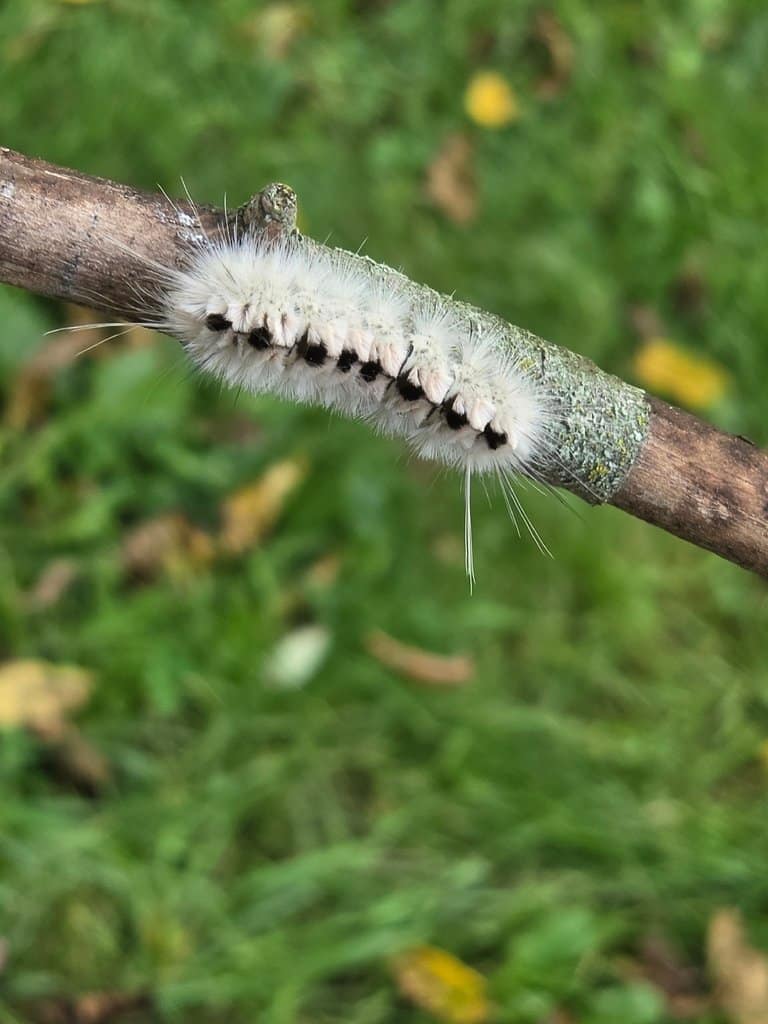
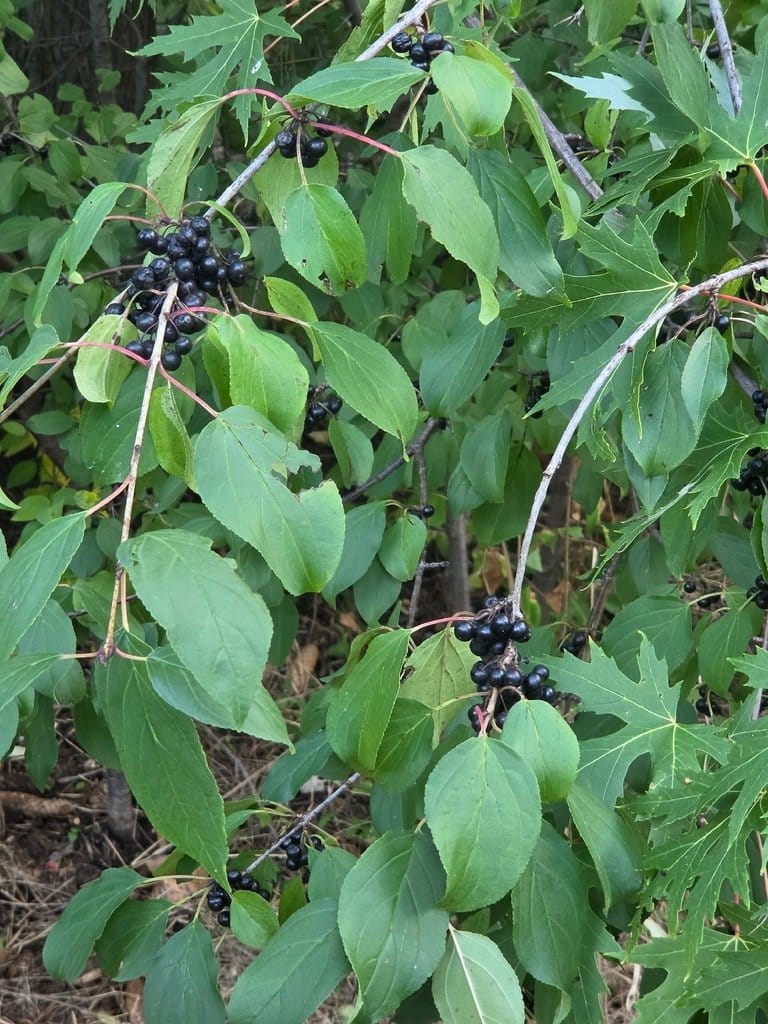
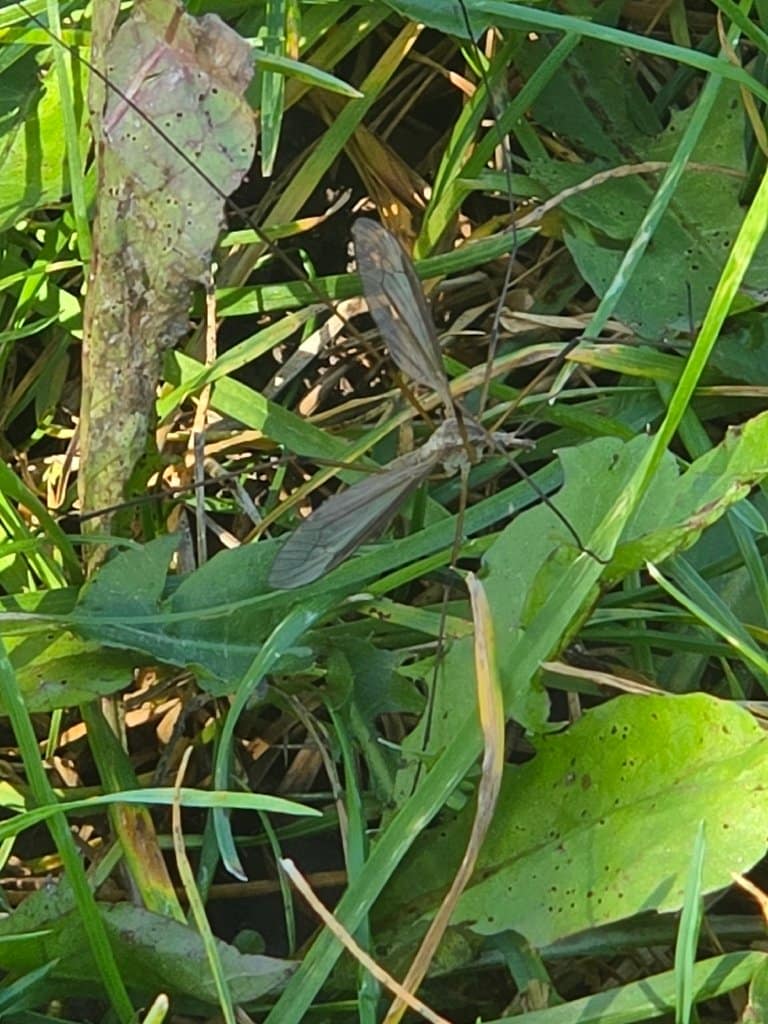
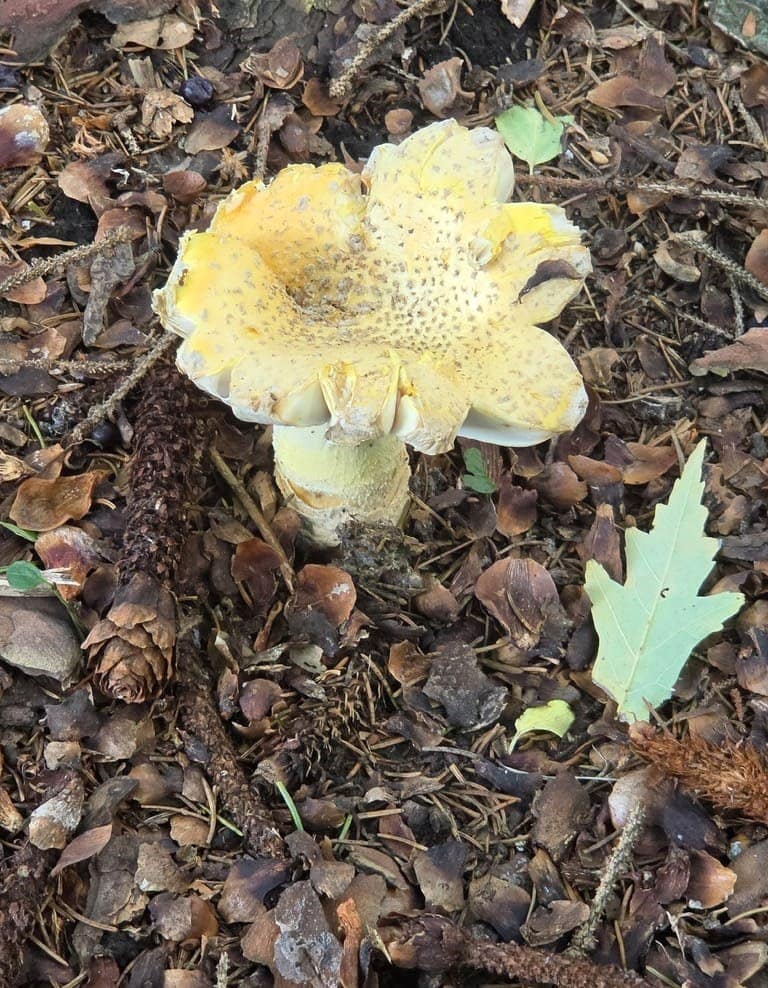


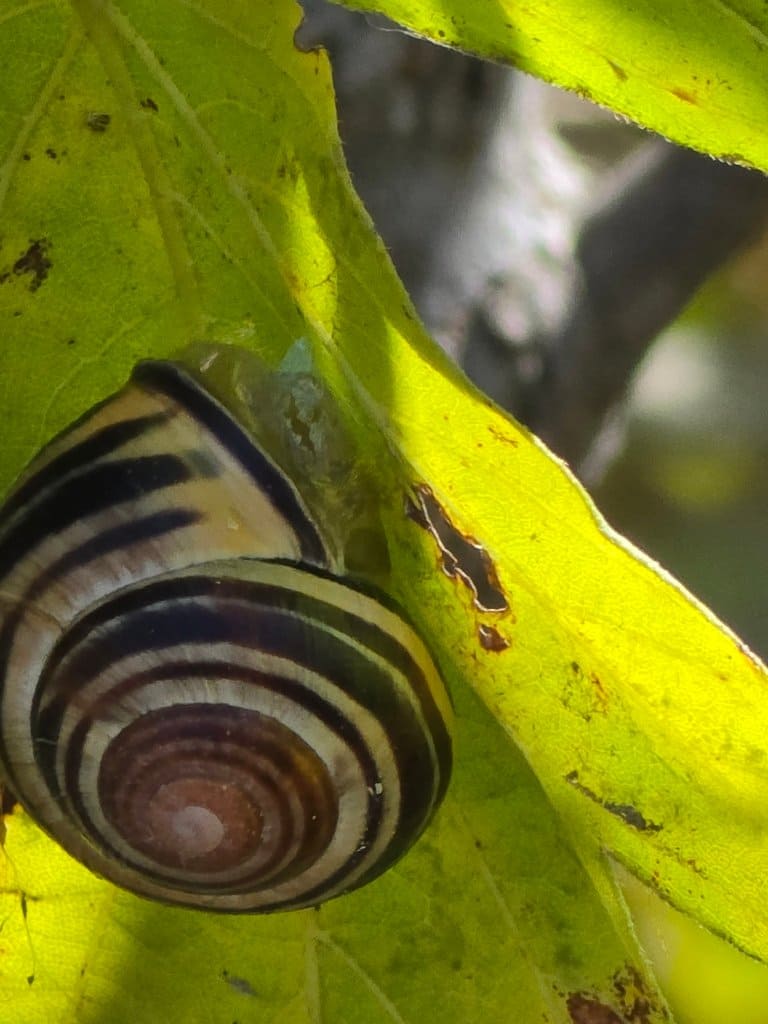
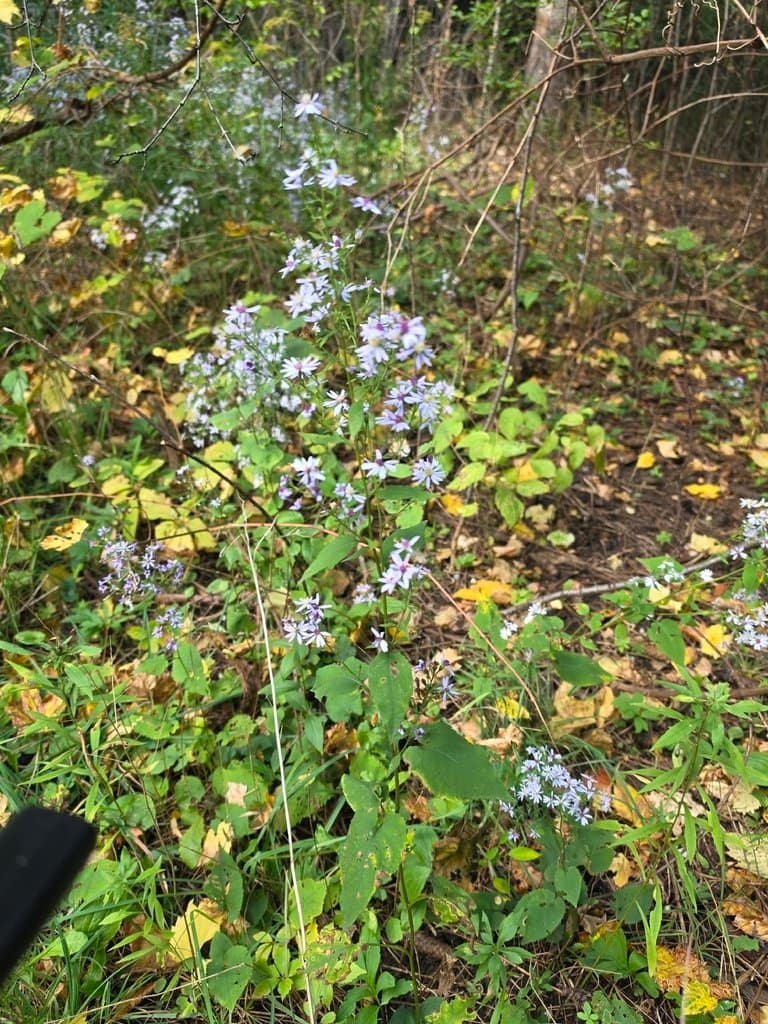
Participants also learned how natural infrastructure complements engineered systems by helping manage water and improve ecological resilience.
Experiencing the Beauty of Black Creek Ravine
One of the highlights of the event was entering the Black Creek Parkland ravine system.

The transition from city streets to a forested landscape was striking.
Participants frequently commented on how peaceful and beautiful the ravine felt despite being located within one of Canada’s largest cities.
Throughout the forest, participants observed bird species, pine squirrels, fungi, and numerous plant species.
Several invasive species were also identified using iNaturalist, helping participants understand the challenges that invasive organisms can pose to ecosystem health.
Also read: Community Biodiversity Bioblitz in Longueuil Inspires Citizen Science, Learning, and Conservation
Why Dead Trees Matter
During the walk, participants noticed several standing dead trees and naturally asked why they had not been removed.
This question led to one of the day’s most engaging environmental lessons.
Dead trees provide food, shelter, nesting sites, and critical habitat for countless organisms.
Rather than representing waste, dead wood supports forest biodiversity and nutrient cycling.
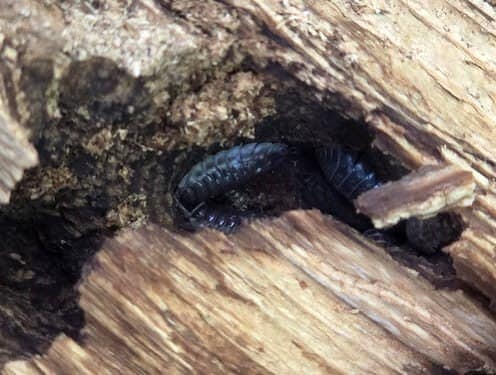
Participants observed insects inhabiting decaying wood and learned how decomposition supports healthy forest ecosystems.
Climate Change, Erosion, and Watershed Connections
As the group reached Black Creek, educational discussions shifted toward water systems and climate resilience.
Participants observed evidence of erosion along sections of the creek bank and saw impacts resulting from recent rainfall.

Discussions focused on watershed health and how local streams ultimately contribute to the health of Lake Ontario.
Participants learned that protecting waterways requires community awareness and responsible environmental practices because pollution entering local waterways can impact ecosystems far downstream.
A Powerful Moment of Silence
Deep within the forest, participants were invited to spend one minute listening quietly to their surroundings.
The exercise produced powerful reflections.
Participants reported hearing birds, insects, leaves moving in the wind, and tree canopy sounds.
Remarkably, the only significant human-made sound identified was an airplane flying overhead.
The activity highlighted how natural spaces can reduce noise pollution and provide opportunities for relaxation, mindfulness, and mental wellness.
Discovering Nature-Based Solutions at Rudy’s Garden
The final educational stop was Rudy’s Garden.
Participants learned how pollinator gardens function as nature-based solutions that support biodiversity while helping reduce soil erosion and stormwater runoff.

The garden demonstrated how local community action can generate meaningful environmental benefits while creating habitat for pollinators and other wildlife.
Community Connections Through Nature
Beyond biodiversity observations, the event fostered community connection.
Several participants visited Black Creek Parkland for the first time and expressed amazement at the hidden natural treasure within their own neighbourhood.
Others shared that the landscape reminded them of natural environments from their home countries.
The experience created opportunities for conversation, reflection, learning, and personal connection with nature.
Looking Ahead
The Community Biodiversity BioBlitz Nature Walk showcased the remarkable ecological value of Black Creek Parkland while empowering participants to become citizen scientists and environmental stewards.
Through initiatives like this, EEFABE Canada continues to build environmental awareness, strengthen community engagement, and promote healthier and more sustainable communities.

As participants gathered back at Fred Young Park for refreshments and closing remarks, one thing was clear: meaningful environmental education begins when people step outside and discover the nature that already exists in their own communities.
Support our Cause: Donate Today

Ulrich Stephane Tamo
Hi, my name is Ulrich Stephane Tamo. I am an environmental activist and ocean lover. I love to travel and write blogs.