Environmental Education for a Better Earth Canada

Have a sustainability initiative in
mind? Let’s collaborate.
Contact Us
- +1 343 597 4664
- info@eefabecanada.org
- Toronto, Ontario
Subscribe
Follow Us
Toronto Plastic Cleanup Report: 195 Pounds of Litter Removed from Black Creek Parkland and Driftwood Park

Toronto’s urban forests and green spaces provide critical habitat for wildlife, support biodiversity, improve air quality, store carbon, and offer residents places to connect with nature. Yet hidden beneath vegetation, many of these natural areas, as shown in this Toronto plastic cleanup report, continue to accumulate plastic pollution and illegally dumped waste that can remain in the environment for years.
On October 24 and 25, Environmental Education for a Better Earth (EEFABE) Canada continued its 1 Tonne Plastic Removal Initiative, carrying out cleanup activities at Black Creek Parkland and Driftwood Park. The cleanups revealed not only large quantities of plastic waste, but also evidence of long-term environmental neglect, including battery waste, expired chemical products, household debris, fashion waste, and plastics already breaking down into microplastics.
Why These Cleanups Matter
Unlike litter found along sidewalks and public spaces, much of the waste removed during these cleanups was hidden within dense vegetation, trapped beneath shrubs, tangled in roots, or buried under years of organic material.
These are often referred to as “legacy plastics” because they remain in the environment long after they were discarded.
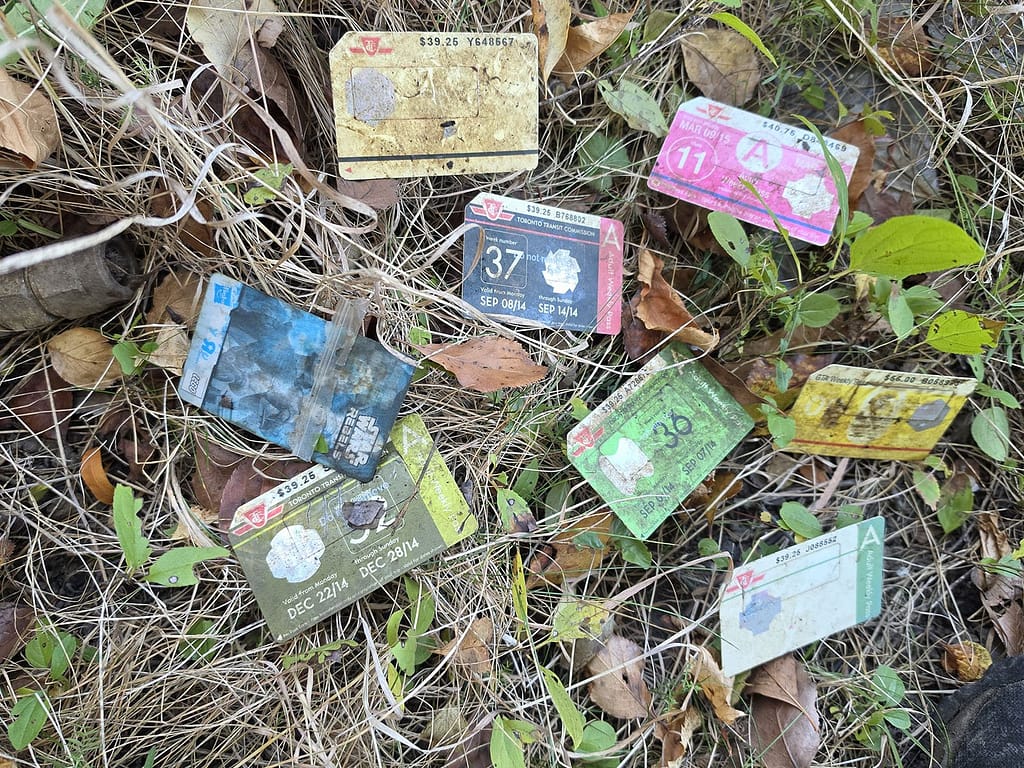
One of the most striking discoveries during the cleanup was a TTC transit pass card with an expiry date from 2014. More than a decade later, the item was still present within the ecosystem.
This serves as a powerful reminder that plastic pollution does not simply disappear. Instead, it fragments into smaller pieces, eventually becoming microplastics that persist in soils, waterways, and habitats.
Black Creek Parkland Cleanup Results
Saturday, October 24, 2026
Time: 09:00 am to 01:30 pm (4hrs 30 minutes)
Location: Black Creek Parkland / Driftwood Park Finch Hydro Corridor Green Space
During the cleanup, volunteers removed:
- 60.33 lbs of plastics
- 15.78 lbs of recyclable bottles and cans
- 5.58 lbs of clothing, shoes, and bags
- 3.58 lbs of sealed rechargeable batteries
- 28.17 lbs of bulky waste, including a discarded bed frame
Total Removed
113.44 pounds of litter
Key Environmental Findings
The cleanup revealed significant concentrations of plastic waste along the hydro corridor trail and adjacent roadway.
Many items were hidden beneath vegetation and appeared to have been present for extended periods.
Volunteers recovered:
- Household plastic containers
- Plastic wraps and packaging
- Water bottles
- Glass bottles
- Cosmetic and body-care containers
- Rechargeable batteries
- Drug paraphernalia
- A large abandoned mattress frame
None of these materials belong in Toronto’s urban forests.
When left in natural areas, such waste can injure wildlife, contaminate soils, release harmful substances, and alter the health of local ecosystems.

Support our Cause: Donate Today
Driftwood Park Cleanup Results
Sunday, October 25, 2026
Time: 03:45 pm to 06:45 pm (3 hours)
Location: Driftwood Park Hydro Corridor Green Space
The second cleanup focused on a densely vegetated area where litter had accumulated out of public view.
Volunteers removed:
- 28.44 lbs of plastics
- 18.75 lbs of fashion waste, including blankets, foam, clothing, and fabric materials
- 9 lbs of recyclable cans, bottles, and metals
- 25.57 lbs of other waste, including chemical products in containers
Total Removed
81.76 pounds of litter
Also read: Black Creek Parkland Plastic Cleanup Report: Removing Legacy Plastics from Toronto’s Urban Forests
Key Environmental Findings
One of the most concerning observations was the discovery of chemical product containers that were still full and had expiry dates dating back to March 2025.
These containers were hidden deep within vegetation where they posed potential long-term environmental risks.
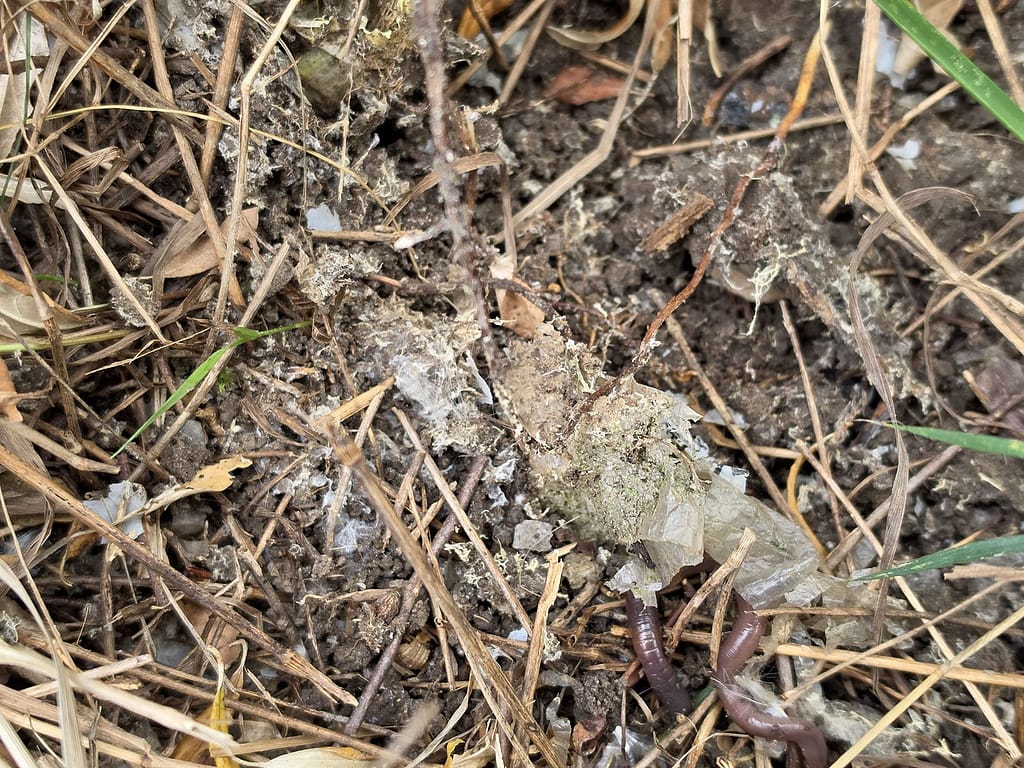
Volunteers also observed plastics actively degrading within the soil profile, providing direct evidence of microplastic formation occurring within the ecosystem.
Additional materials recovered included household cookware and other improperly discarded items that had become integrated into the surrounding vegetation.

Weekly Impact
Over the two cleanup days, volunteers dedicated a total of 7.5 hours to removed:
195.20 Pounds of Litter
Including:
88.77 Pounds of Plastic Waste
These results demonstrate the ongoing need for stewardship efforts in natural areas where pollution remains hidden from public view.
Site-Specific Impact Since May 2026
Within the Black Creek Parkland and Driftwood Park cleanup zones, EEFABE Canada has now removed:
454.96 pounds of litter
272.90 pounds of plastic waste
These cleanups are restoring important urban forest habitat and reducing future sources of microplastic pollution.
Campaign Impact Since April 2026
Since launching the 1 Tonne Plastic Removal Initiative, EEFABE Canada has removed:
1,307.71 pounds of litter
792.80 pounds of plastic pollution
Approximately 66,000 square metres of sensitive urban parkland, hydro corridors, and forest habitat restored from plastic waste
These efforts have taken place across:
- Black Creek Parkland
- Driftwood Park
- Fred Young Park
- Dan Iannuzzi Park and Pond
Building Healthier Urban Forests
Plastic pollution is often viewed as a waste-management issue. In reality, it is also a biodiversity issue.
When plastics accumulate in forests and natural areas, they can:
- Restrict plant growth
- Entangle roots and vegetation
- Harm wildlife
- Introduce toxins into ecosystems
- Break down into microplastics
- Reduce habitat quality
Removing these materials before they further degrade helps restore ecosystem health and supports cleaner, safer, and more resilient urban green spaces.
How Torontonians Can Help
Protecting our urban forests starts with everyday choices.
Residents can help by:
- Reducing single-use plastic consumption
- Properly disposing of household waste
- Recycling correctly
- Reporting illegal dumping
- Participating in community cleanups
- Supporting local environmental initiatives
Every item kept out of nature helps protect biodiversity and strengthens the health of Toronto’s ecosystems.
Looking Ahead
As EEFABE Canada continues working toward its one-tonne plastic removal goal, we remain committed to restoring Toronto’s urban forests and green spaces through cleanup, stewardship, environmental education, and community partnerships.
The results achieved so far demonstrate that meaningful environmental restoration is possible when communities take action.
Together, we can create cleaner parks, healthier ecosystems, and a more sustainable future for Toronto.
Support our Cause: Donate Today

Ulrich Stephane Tamo
Hi, my name is Ulrich Stephane Tamo. I am an environmental activist and ocean lover. I love to travel and write blogs.