Environmental Education for a Better Earth Canada

Have a sustainability initiative in
mind? Let’s collaborate.
Contact Us
- +1 343 597 4664
- info@eefabecanada.org
- Toronto, Ontario
Subscribe
Follow Us
Community Biodiversity Bioblitz in Longueuil Inspires Citizen Science, Learning, and Conservation

Residents Come Together to Explore Local Biodiversity at Parc Michel-Chartrand
Environmental education becomes most powerful when communities experience nature firsthand. That vision came to life during the Community Biodiversity Bioblitz in Longueuil, organized by Environmental Education for a Better Earth (EEFABE) Canada in partnership with Fondation La Joie de Donner.
Held at the beautiful Michel-Chartrand Park, the event brought together members of the Francophone community for an exciting afternoon of biodiversity exploration, citizen science, environmental learning, and community connection.
More than just a nature walk, the bioblitz served as a hands-on learning experience that empowered participants to become active contributors to biodiversity monitoring and conservation efforts.
A Community United Around Nature
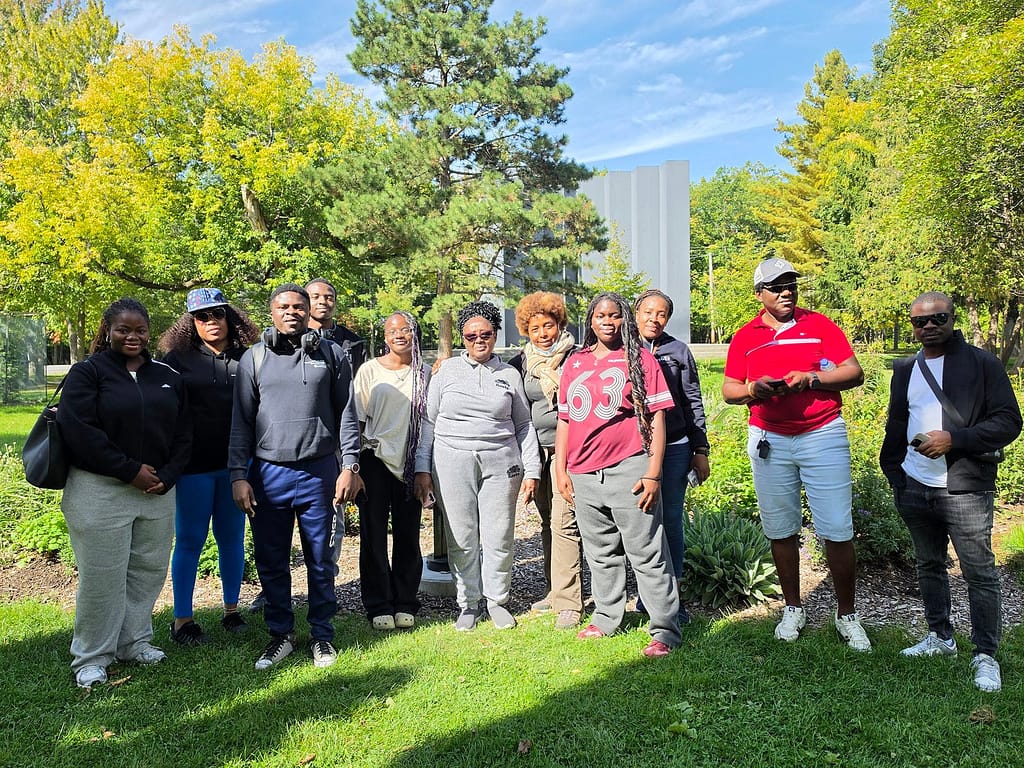
The event welcomed 12 community participants who gathered at noon at Parc Michel-Chartrand.
The afternoon began with welcoming remarks from Babete Nana, Founder and Executive Director of Fondation La Joie de Donner, who encouraged participants to take advantage of the opportunity to learn about the natural environment surrounding them.
Participants were then welcomed by Ulrich Stephane Tchiegdjo Tamo, Founder and Executive Director of Environmental Education for a Better Earth Canada (EEFAB Canada). With his experience leading nature walks as an Apprentice Interpreter with the Interpretive Association of Canada, he led the event.
During the opening session, participants were introduced to the concept of citizen science and received practical training on how to use the iNaturalist mobile application, one of the world’s leading biodiversity observation platforms.
For many participants, this was their first exposure to biodiversity monitoring. Learning how everyday observations can contribute to scientific research generated excitement and curiosity from the very beginning.
Learning Through Citizen Science
Citizen science is increasingly recognized as an important tool for monitoring biodiversity and engaging communities in conservation.
Using iNaturalist, participants learned how to photograph and identify species while creating records that can contribute valuable biodiversity data used by researchers, conservation organizations, and environmental agencies.
The workshop demonstrated that protecting nature does not only depend on scientists. Communities themselves can play an active role in documenting and understanding local ecosystems.
This message resonated strongly with participants, many of whom expressed interest in continuing to use the application after the event.
Exploring the Pollinator Garden
The first stop during the bioblitz was the park’s pollinator garden.
Participants observed and recorded several plant and insect species while learning about the critical role pollinators play in maintaining healthy ecosystems and supporting food production.
Among the species observed were:
- Chives (Allium schoenoprasum)
- Bumble Bees (Bombus species)
- and various other plant and animal species
The discussion around pollinators generated significant interest, particularly as participants learned how pollinator populations contribute to biodiversity, ecological resilience, and agricultural systems.
Many were surprised by the rich biodiversity thriving within a relatively small garden space.
Discovering Plants, Fungi, and Wildlife
As the group continued along the trails of Michel-Chartrand Park, participants encountered an impressive diversity of living organisms.
The bioblitz provided opportunities to observe native vegetation, aquatic plants, and ecological restoration efforts taking place within the park.
Participants also documented several fungi species, including:
Crimped Gill (Plicaturopsis crispa)
This distinctive fungus sparked conversations about decomposition, nutrient cycling, and the hidden role fungi play in maintaining healthy forest ecosystems.
Violet-Toothed Polypore (Trichaptum biforme)
Participants learned how fungi help recycle organic matter and support biodiversity within forest habitats.
For many attendees, this was their first opportunity to closely observe and discuss fungal biodiversity in a natural setting.
An Unforgettable Wildlife Encounter
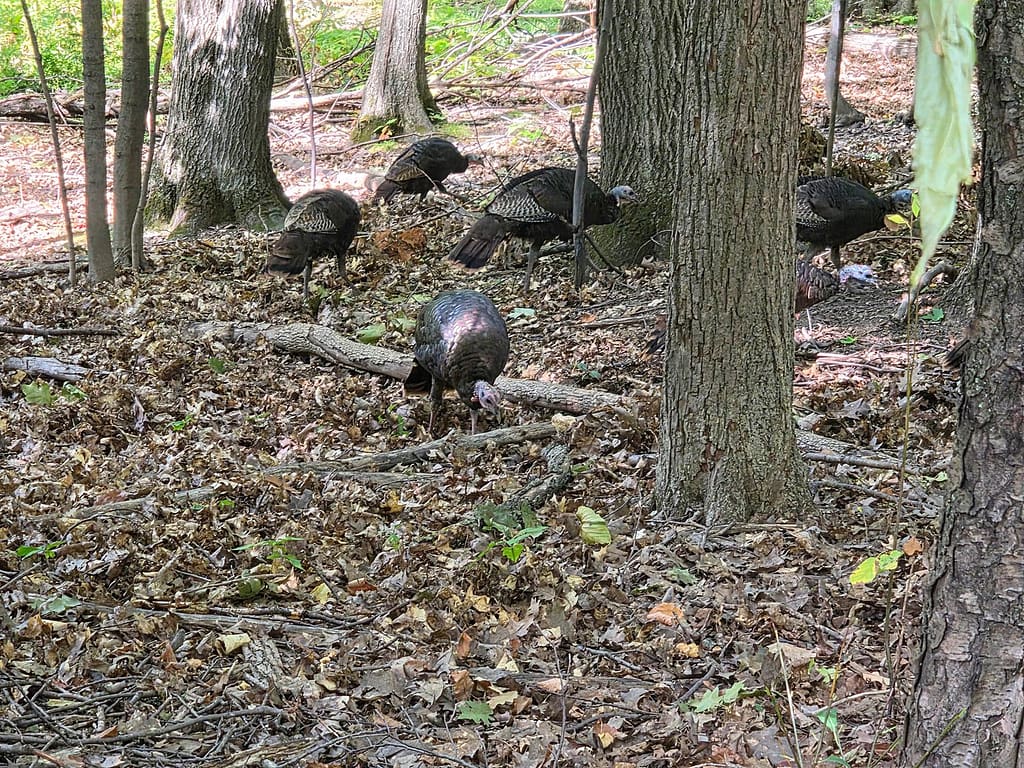
One of the most exciting highlights of the afternoon was the observation of more than twenty Wild Turkeys (Meleagris gallopavo) near a marshy area of the park.
The sight of such a large group of birds generated excitement and opened discussions about wildlife habitat conservation and ecosystem connectivity.
Participants also observed several Common Garter Snakes (Thamnophis sirtalis) along the nature trail.
Rather than being fearful, participants embraced the opportunity to learn about reptile diversity and the important ecological roles snakes play within balanced ecosystems.
The wildlife encounters transformed the walk into a memorable learning experience that reinforced the importance of conserving natural habitats.
Understanding the Value of Healthy Ecosystems
Throughout the approximately three-kilometre guided walk, participants explored topics including:
Biodiversity Conservation
Participants learned why protecting biodiversity is essential for resilient ecosystems and healthy communities.
Native Species Restoration
Discussions highlighted the importance of restoring native plant communities and maintaining ecological balance.
Forest Ecology
One topic that generated considerable interest was the ecological importance of dead trees and fallen logs.
Many participants were surprised to discover that what appears to be a dying tree actually provides habitat, shelter, and food resources for insects, fungi, birds, mammals, and countless other organisms.
This learning moment helped participants view forests from a new ecological perspective.
Community Well-Being Through Nature
Beyond environmental education, the Community Biodiversity Bioblitz also supported mental health and social well-being.
Several participants shared that spending time outdoors helped reduce stress and allowed them to disconnect from the pressures of daily life.
Others spoke about discovering Michel-Chartrand Park for the first time and developing a greater appreciation for local natural areas.
Events like these demonstrate that environmental education can simultaneously promote biodiversity conservation, community engagement, and personal well-being.
Celebrating Learning and Participation
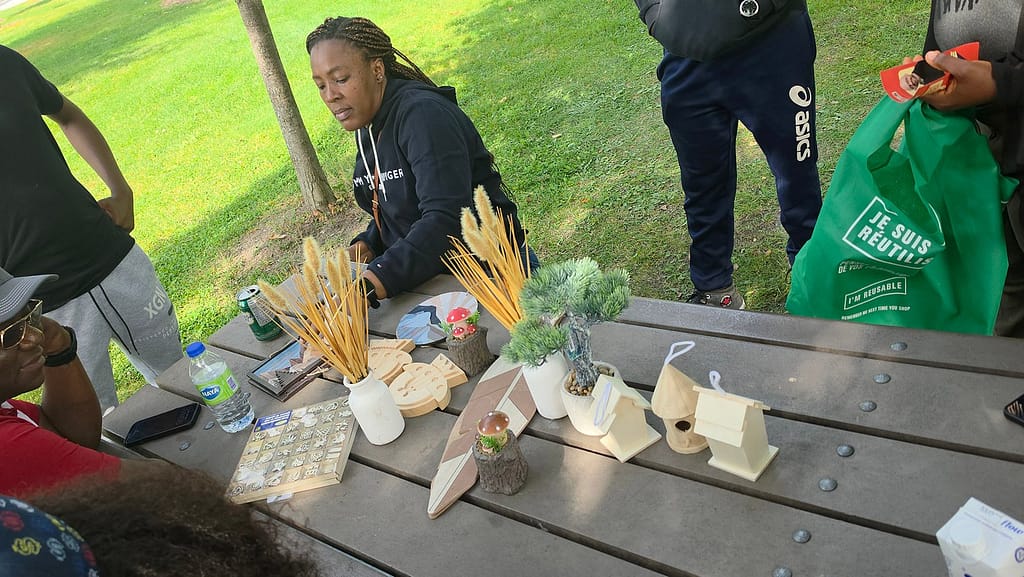
To conclude the event, participants took part in an interactive biodiversity quiz that tested knowledge acquired throughout the afternoon.
Educational nature-themed gifts were distributed to participants who successfully answered questions about species observations, ecosystem functions, and conservation concepts.
The activity added an element of fun while reinforcing key learning outcomes.
The event ended with participant testimonials, closing remarks from organizers, and light refreshments.
The Importance of Community Engagement in Biodiversity Conservation
The success of the Community Biodiversity Bioblitz in Longueuil demonstrates how local communities can become active partners in biodiversity conservation.
When residents gain opportunities to learn about nature, observe wildlife, and contribute to citizen science initiatives, they develop stronger connections to the environment and a greater willingness to protect it.
Programs like this help transform environmental awareness into meaningful action.
Looking Ahead
Building on the enthusiasm generated in Longueuil, EEFABE Canada remains committed to expanding environmental education, citizen science, and biodiversity conservation programs across Canada.
The organization looks forward to continuing to engage communities through future bioblitzes, nature walks, workshops, and stewardship initiatives that empower people to become champions of biodiversity in their own neighbourhoods.
Together, we can build healthier communities, healthier ecosystems, and a more sustainable future for generations to come.
Support our Cause: Donate Today

Ulrich Stephane Tamo
Hi, my name is Ulrich Stephane Tamo. I am an environmental activist and ocean lover. I love to travel and write blogs.